Glossary
Using Turf in Sandy Soils: The Ultimate Guide
Sandy soils present unique challenges for landscaping, particularly when using traditional turfgrass. However, employing synthetic turf can greatly enhance your landscaping efforts in these conditions. This comprehensive guide explores the benefits and practicalities of using turf in sandy soils, ensuring a vibrant and sustainable landscape.
Understanding Sandy Soils
Sandy soils are composed predominantly of coarse particles, allowing for increased drainage but often leading to nutrient deficiencies and moisture retention issues. Recognizing these characteristics is crucial for successful landscaping:
- High Drainage: Sandy soil drains quickly, exposing plant roots to potential drought.
- Low Nutrient Content: Essential nutrients leach away rapidly due to the soil’s structure.
- Drought-Like Conditions: Increased evaporation rates can lead to dry conditions, limiting plant growth.
Benefits of Using Turf in Sandy Soils
Using turf in sandy soils, particularly synthetic turf, offers numerous advantages that can transform your landscape into a thriving oasis.
1. Enhanced Water Retention
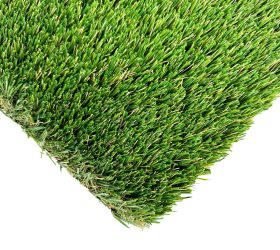
Synthetic turf is designed to minimize water runoff and maximize water retention. With advanced technology, artificial grass keeps moisture within its base layer, making it ideal for sandy soils that struggle with water absorption. Learn how turf can reduce water use effectively for your landscape.
2. Low Maintenance
One of the significant benefits of synthetic turf is its low maintenance requirements. Unlike natural grass, it does not require regular mowing, edging, or watering, making it a hassle-free alternative. You can enjoy a lush green lawn without the environmental and economic costs associated with traditional grass.
3. Resilience in Harsh Conditions
Synthetic turf is engineered to withstand varying climatic conditions, making it a perfect fit for areas with sandy soils. It resists heat and drought, maintaining an attractive appearance year-round.
4. Improved Aesthetic Appeal
With a wide variety of colors and blade lengths, synthetic turf provides the opportunity to enhance the beauty of your space. Whether for residential or commercial use in San Diego and surrounding areas, turf offers a consistently vibrant look.
Selecting the Right Turf for Sandy Soils
When considering synthetic turf for sandy soils, keep these factors in mind:
1. Turf Fiber
Choose high-quality, durable fibers that can hold up against sun exposure and wear. Look for products designed explicitly for sandy environments.
2. Infill Material
Opt for infill solutions that enhance drainage while improving the stability of the turf. Silica sand, rubber, or other eco-friendly materials are ideal options.
3. Proper Installation Techniques
Ensure the installation follows best practices tailored for sandy soils, including:
- Grading the Surface: Create a gently sloped area to enhance drainage without pooling water.
- Base Layer Preparation: Installing a stable base layer will enhance the turf’s performance and longevity.
Installation Steps for Synthetic Turf in Sandy Soils
Following these steps will lead to successful installation:
- Site Assessment: Evaluate the area for existing vegetation, soil conditions, and drainage.
- Base Preparation: Remove any existing sod or debris and grade the soil for proper drainage.
- Installing the Base: Lay a base of crushed rock or gravel, compacting it to provide a stable foundation.
- Laying the Turf: Roll out the synthetic turf, ensuring seams are aligned and secure.
- Infill Application: Spread infill materials evenly across the surface for added stability and cushioning.
- Final Touches: Brush the turf to stand the fibers upright, enhancing its appearance.
Caring for Your Synthetic Turf
While synthetic turf is low-maintenance, periodic care is essential to extend its lifespan:
- Regular Rinsing: Wash down your turf to remove dirt and debris, especially in sandy environments where dust can accumulate.
- Brushing: Brush the turf fibers with a stiff broom to maintain an upright appearance and reduce the risk of matting.
- Inspect for Damage: Regularly check for any tears or signs of wear, especially after harsh weather conditions.
Frequently Asked Questions (FAQs)
Can I use natural grass in sandy soils?
While it is possible to use natural grass, it requires frequent watering and soil amendments to thrive in sandy conditions.
What is the cost of installing synthetic turf in sandy soils?
Installation costs can vary based on factors like size and material quality. Understanding the labor cost for turf installation per square foot can help you budget effectively.
How can I ensure proper drainage with synthetic turf?
The right installation techniques and base layers can facilitate drainage and ensure your turf remains in top condition. Check out our guide on turf delivery options available in San Marcos for more insights.
Is it possible to use artificial grass around a pool?
Yes, synthetic turf is a popular choice for poolside areas due to its low maintenance and slip-resistant features. Explore more about using artificial grass for poolside areas to enhance your outdoor space.
Conclusion
Using turf in sandy soils can transform your landscape into a lush, inviting area while minimizing maintenance requirements. By selecting high-quality synthetic options and following proper installation methods, you can create a sustainable and visually appealing environment. At Integriturf, we are committed to providing premium artificial grass solutions tailored to meet the unique needs of sandy soil conditions. Contact us today to explore our products and elevate your landscaping projects.