Glossary
Using Turf to Enhance Community Art Spaces for Vibrant Experiences
In today’s urban landscape, art and nature can beautifully coexist, transforming community spaces into vibrant cultural hubs. Using turf to enhance community art spaces for vibrant experiences has emerged as an innovative approach to fostering creativity, social interaction, and sustainability. This article explores how synthetic turf can redefine artistic environments, making them more inviting, accessible, and engaging.
The Importance of Community Art Spaces
What are Community Art Spaces?
Community art spaces are locations where individuals can come together to appreciate, create, and share artistic expressions. These spaces often include galleries, murals, parks, and performance areas. They promote cultural exchange, creativity, and social inclusion, serving as platforms for local artists to showcase their work.
Why Enhance These Spaces?
Enhancing community art spaces can:
- Attract More Visitors: A vibrant environment encourages community members and visitors to engage and spend time.
- Encourage Creativity: Comfortable and aesthetically pleasing surroundings inspire artists and patrons alike.
- Promote Community Cohesion: Well-designed spaces foster interaction, allowing diverse groups to connect through shared experiences.
Benefits of Using Turf in Art Spaces
Aesthetic Appeal
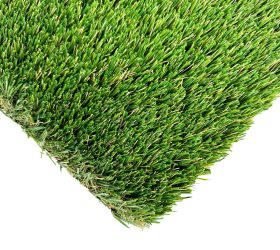
One of the most significant advantages of incorporating synthetic turf is its ability to create a visually appealing environment. Turf can complement artistic installations, providing a lush green backdrop that enhances the overall aesthetics of art spaces.
Key aesthetic benefits include:
- Vibrant Colors: Artificial grass remains vibrant all year round, adding a touch of greenery to urban settings.
- Texture Variety: Turf adds a tactile element to spaces, contributing to a dynamic sensory experience for visitors.
Practical Considerations
Using turf in community art spaces isn’t just about looks; it also offers several practical benefits:
- Low Maintenance: Unlike natural grass, artificial turf requires minimal upkeep, reducing costs and labor.
- Durability: Turf can withstand foot traffic, making it perfect for busy areas.
- Environmental Impact: Synthetic grass eliminates the need for pesticides and fertilizers, making it a more eco-friendly option.
Creative Applications of Turf
Integrating Turf into Community Art Projects
Turf can play a versatile role in enhancing community art projects. Here are some creative ways to utilize synthetic grass:
- Art Installations: Artists can incorporate turf into sculptures or interactive installations, encouraging engagement.
- Performance Areas: Turf can create comfortable seating areas for outdoor performances or events, inviting more spectators.
- Mural Backdrops: The vibrant green of turf can be used as a stunning backdrop for murals, elevating the visual impact of street art.
Example Initiatives
Cities across the globe have successfully implemented turf in community art initiatives. For more information on how different communities are harnessing this approach, check out our overview of artistic initiatives that showcase turf landscapes across neighborhoods.
Elevating Community Gatherings
Creating Vibrant Gathering Spaces
Using turf to enhance community gathering areas can significantly impact social interactions. These spaces become inviting for families, friends, and neighbors to come together.
Benefits for Public Gatherings:
- Comfortable Seating: Adding turf provides soft, comfortable surfaces for picnics and gatherings.
- Inclusive Environment: A well-designed space, complete with art and greenery, invites participation from all community members.
- Versatile Usage: Turf areas can host various events, from art fairs to yoga classes, making them multifunctional.
Explore the benefits of using artificial grass for public gathering spaces for more insights.
Sustainable Art Spaces
Eco-Friendly Solutions
By adopting turf in community art spaces, cities can promote sustainability. Here are a few ways artificial grass contributes to eco-friendly practices:
- Water Conservation: Synthetic turf requires no watering, significantly reducing water usage in urban areas.
- Waste Reduction: Turf eliminates the need for grass clippings, fertilizers, and other organic waste.
- Long-Lasting Materials: With a lifespan of up to 15 years, turf reduces the frequency of replacements compared to natural grass.
Creating Engaging Neighborhood Features
One of the most impactful ways to encourage community engagement is through the development of engaging neighborhood features. Turf can be utilized to create interactive installations or community art spaces that draw in local residents and visitors alike. For more ideas, visit our page on creating engaging neighborhood features using tactical turf applications.
Frequently Asked Questions
Can turf be used in any type of community art space?
Yes, turf can effectively enhance various community art settings, including parks, performance venues, sculptures, and interactive installations.
What are the maintenance requirements for synthetic turf?
Synthetic turf is easy to maintain, requiring occasional brushing and cleaning. It does not need regular mowing, watering, or nutritional treatments, making it a cost-effective solution.
How does turf contribute to social interactions?
Turf creates comfortable, inviting areas where community members can gather and engage with art and each other. It fosters an inclusive atmosphere, encouraging participation in events and creative activities.
Conclusion
Using turf to enhance community art spaces for vibrant experiences unlocks incredible potential for creativity, community engagement, and environmental sustainability. By embracing this innovative approach, cities can transform their public art landscapes, fostering a sense of belonging and vibrancy that enriches the lives of all who interact with these spaces. Embrace the possibilities of turf, and watch your community blossom into a dynamic art haven!