Glossary
Choosing Ideal Turf Varieties Suited for Warmer Climates and Pets
When it comes to enhancing your outdoor space with beautiful and functional turf, selecting the right variety is essential, especially in warmer climates where both heat and pet activities must be considered. This article explores how to make informed decisions in choosing ideal turf varieties suited for warmer climates and pets.
Understanding Warm-Climate Turf Options
Selecting the right turf for warmer climates goes beyond mere aesthetics. It involves knowing how different turf types handle heat, resist wear, and maintain health under stress. Here are some key factors to consider:
Heat Resistance
In sunny areas, turf must endure high temperatures while remaining lush and green. Several varieties stand out for their heat tolerance:
- Bermudagrass: This is a popular choice for warmer regions due to its drought resistance and ability to recover quickly from wear and tear.
- Zoysiagrass: Known for its adaptability, Zoysiagrass thrives in high temperatures and offers a dense growth that withstands foot traffic.
- Paspalum: This variety is highly resilient to heat and salty conditions, making it an excellent option for coastal areas.
For more options tailored to your local climate, check out our page on options for turf suitable for warm climates.
Durability and Maintenance
Choosing turf that can withstand the rough-and-tumble play of pets while keeping maintenance minimal is equally crucial. The following turf varieties excel in durability:
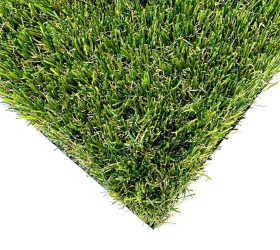
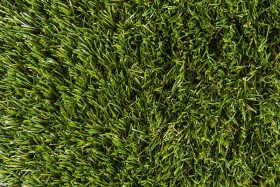
- Artificial Turf: As a synthetic solution, artificial grass is impervious to damage from pet activities and remains vibrant year-round with minimal upkeep.
- Tall Fescue: This natural turf survives heavy traffic and offers excellent drought resistance, making it suitable for families with active pets.
- Kentucky Bluegrass: Although it requires more care, when properly maintained, Kentucky Bluegrass can stand up to active play while providing a lush, dense appearance.
Benefits of Synthetic Turf for Pet Owners
When considering choosing ideal turf varieties suited for warmer climates and pets, synthetic turf offers numerous advantages over natural grass:
- Safety: High-quality synthetic options are non-toxic and safe for pets, reducing the risk of allergy and illness.
- Odor Resistance: Many artificial turfs are designed with drainage systems that help eliminate odors from pet waste.
- Consistent Appearance: Unlike natural grass, synthetic turf maintains a green, manicured look throughout the year, regardless of weather conditions.
Designing the Space for Pets
Integrating turf into a space where pets can roam freely requires thoughtful design. Here are some tips on creating an ideal environment:
Designated Play Areas
- Separate Spaces: Divide your yard into areas for play and relaxation to prevent wear on specific patches of grass.
- Turftop Designs for Dog Areas: Utilize innovative turftop designs for dog areas that combine play-ready surfaces with aesthetic appeal.
Drainage Solutions
Ensure that your turf design incorporates proper drainage to prevent water accumulation and maintain hygiene. Look for turfs with excellent drainage systems to avoid any moisture issues.
Shade Considerations
Evaluate shade provision since pets may be sensitive to heat. Incorporate plants or pergolas to provide shaded areas that keep pets cool during hot periods.
FAQ: Choosing Turf for Warmer Climates and Pets
What type of turf is best for hot climates?
Bermudagrass and Zoysiagrass are among the most heat-resistant options, known for their tolerance to high temperatures and ability to withstand foot traffic.
Is synthetic turf a good option for pets?
Yes, synthetic turf is an excellent choice for pet owners as it is durable, easy to clean, and safe for animals.
How can I keep my grass looking good when I have pets?
Consider using durable turf varieties and implementing a regular cleaning schedule that includes rinsing to prevent odors and maintain aesthetic appeal.
What are unique pet turf ideas for smaller yards?
Explore our guide on unique pet turf ideas for small yards that provide creative solutions tailored for limited spaces.
Conclusion: Final Thoughts
Choosing the ideal turf variety suited for warmer climates and pets involves a careful consideration of durability, maintenance, and safety features. Whether you opt for resilient natural grasses or premium synthetic options, Invest in quality products to ensure your landscape remains beautiful while accommodating the joy of your furry companions.
For more information on how turf can transform your residential or commercial space, visit our page on transforming commercial spaces with turf.
By making informed choices, you can create a pet-friendly outdoor space that’s functional, striking, and perfect for warmer climates. Explore all options and ask questions to ensure you find the best solution tailored to your specific situation—don’t hesitate to submit inquiries to turf when you need more clarity!