Glossary
Turf Installation Guidelines for Balcony Terraces
Transforming your balcony terrace into a lush green oasis can be an exciting project. However, understanding the correct turf installation guidelines for balcony terraces is crucial for achieving stunning results. This comprehensive guide will help you navigate through the essential steps, materials, and tips to ensure your balcony turf installation is both successful and long-lasting.
Why Choose Turf for Balcony Terraces?
Selecting synthetic turf for balcony terraces does more than enhance aesthetic appeal; it offers a range of practical benefits:
- Low Maintenance: Unlike natural grass, synthetic turf requires minimal upkeep, saving you time and resources.
- Durability: High-quality artificial grass is designed to withstand weather conditions, avoiding wear and tear common with natural surfaces.
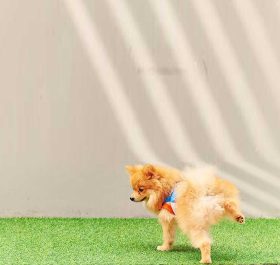
- Pet-Friendly: If you have pets, artificial grass can be an excellent option. Explore our guide on cleaning products for pet-friendly turf to keep your terrace fresh and clean.
- Allergen-Free: Synthetic turf is hypoallergenic, making it perfect for those sensitive to pollen.
Preparing for Installation
Step 1: Assess the Space
Before proceeding with the installation, it’s essential to evaluate your balcony terrace:
- Dimensions: Measure the area to determine how much turf you’ll need.
- Weight Limitations: Ensure the balcony can support the weight of the turf with any additional materials.
- Draining: Check the drainage capability of your terrace to prevent water pooling.
Step 2: Gather Necessary Materials
To begin your installation, ensure you have the following materials on hand:
- Turf rolls or tiles
- Turf adhesive or double-sided tape
- Base material (crushed stone or gravel)
- Edging materials
- Utility knife
- Measurement tools
Installation Steps
Step 1: Preparing the Surface
- Clean the Balcony: Remove any debris, dirt, or old flooring materials.
- Level the Surface: Ensure the floor is even to avoid any water retention. A slight slope is ideal for drainage.
Step 2: Lay the Base
- Add Base Material: Spread a layer of crushed stone or gravel to create a stable base, approximately 1-2 inches thick.
- Compact the Base: Use a compactor to ensure the base is tightly packed and level.
Step 3: Cutting and Fitting Turf
- Measure and Cut: Using your utility knife, cut the turf to fit your balcony area, leaving a small margin for adjustments.
- Dry Fit: Lay the turf pieces on the prepared base to check the fit before permanently attaching them.
Step 4: Securing the Turf
- Adhere the Turf: Apply turf adhesive or use double-sided tape along the edges to secure the turf in place.
- Join Seams: Where pieces meet, ensure that seams are aligned and securely fastened.
Step 5: Finishing Touches
- Infill (Optional): Infill can enhance the stability and feel of the turf, but it’s generally less necessary for balcony applications.
- Brushing: Use a broom to brush the turf fibers upright for a natural look.
Maintenance Tips for Balcony Turf
Keeping your synthetic turf in pristine condition requires minimal effort:
- Regular Cleaning: Sweep or rinse the turf to remove debris and dirt. Periodically hose it down for a deeper clean.
- Check for Damage: Inspect turf seams and edges regularly to make sure they remain secure.
- Avoid Heavy Objects: Refrain from placing heavy furniture directly on the turf to prevent crushing the fibers.
Frequently Asked Questions
What type of turf is ideal for a balcony terrace?
For balcony terraces, choose a lightweight, high-quality synthetic turf designed for residential use. Look for options that provide UV protection to prevent fading and remain durable against the elements.
How do I ensure proper drainage for my balcony turf?
It’s essential to prepare a slight incline when installing the base material. Proper drainage ensures that excess water flows away from the turf and does not pool, preventing mold and odor.
Can I install turf over an existing surface?
Yes, but it is crucial that the existing surface is stable, clean, and free of debris. Ensure proper drainage and consider whether the weight of the turf will affect the existing structure.
Will turf get hot in the sun on my balcony?
Artificial turf can heat up in direct sunlight. To mitigate this, consider using a lighter-colored turf, or place outdoor rugs or shaded furniture over the turf when not in use.
Explore More About Turf Solutions
If you are considering other applications or want to maximize your turf investment, check out our insights on using turf under carports effectively or dive into our article on transforming commercial spaces with turf. For those looking into DIY landscaping, learning about designing effective contour layouts for residential putting greens can also provide valuable ideas.
By following these turf installation guidelines for balcony terraces, you can achieve an inviting space that enhances your outdoor living experience. With proper planning and care, your synthetic turf will provide beauty and functionality for years to come.