Glossary
Compact Designs for Backyard Putting Greens
Transforming a small outdoor area into a personal golf oasis is more attainable than you might think, thanks to compact designs for backyard putting greens. With the right plan and premium synthetic turf, you can create a functional and stylish putting green that suits your lifestyle and enhances your home’s value. In this article, we’ll explore the benefits, essential elements, and design strategies for achieving a compact yet effective putting green in your backyard.
Benefits of Compact Designs for Backyard Putting Greens
Creating a small putting green offers several compelling advantages:
- Space Efficiency: Compact putting greens maximize small yards or limited outdoor spaces, allowing you to enjoy golfing without needing a vast area.
- Ease of Maintenance: Less square footage means easier upkeep. Synthetic grass eliminates mowing, watering, and fertilizing while providing a consistent playing surface.
- Cost-Effective: Compact designs usually require fewer materials and less labor, translating to cost savings in installation and maintenance.
- Versatility: A small putting green can be integrated with other outdoor spaces, such as patios, gardens, or entertainment areas, enhancing your backyard’s overall aesthetic and functionality.
Key Elements of Compact Backyard Putting Green Designs
When designing a compact putting green, consider the following essential elements:
1. Selecting the Right Location
Choosing the right spot for your putting green is crucial. Look for areas with:
- Natural Sunlight: Ensure the selected space receives sufficient sunlight, ensuring the longevity of the synthetic turf.
- Minimal Obstructions: Select a spot free from large trees or structures that could interfere with practice shots or reduce sunlight exposure.
2. Incorporating Contours
Adding contours can enhance the playability and challenge of your putting green. Explore our guide on creating contours in backyard putting greens to learn more about how subtle slopes and elevations can improve your practice experience.
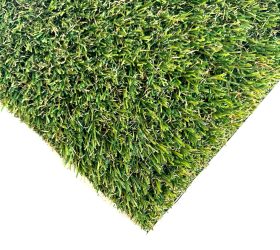
3. Utilizing Synthetic Turf
Opt for premium synthetic grass for a realistic appearance and exceptional playability. Benefits of using synthetic turf include:
- Durability: Synthetic grass withstands wear and tear, making it ideal for frequent use.
- Water Conservation: No need for irrigation systems means significant water savings.
- Consistent Surface: Unlike natural grass, synthetic turf offers a smooth and uniform putting surface, improving your practice consistency.
Designing Your Compact Putting Green: Step-by-Step Guide
Step 1: Assess Available Space
Measure your yard to determine how much space is available. A compact putting green can be as small as 10×20 feet but will vary based on individual preferences and available space.
Step 2: Choose the Shape
Consider going with a circular or oval shape to maximize the use of space effectively. Irregular shapes can also work, providing a unique appearance that fits your backyard design.
Step 3: Plan the Layout
Think about where the holes will be placed and how many you want. A compact design may have one or two holes to practice various shots. Ensure there is enough space around the holes for putting and chipping.
Step 4: Install the Base
The base is essential for drainage and stability. Compact the ground and add a layer of gravel or sand to create a solid foundation before laying the synthetic turf.
Step 5: Lay the Synthetic Turf
Following the manufacturer’s instructions, install the synthetic turf. Ensure it is stretched tight and securely fastened to avoid any wrinkles or bunching.
Step 6: Add Accessories
Enhance your putting experience with accessories such as:
- Cup Kits: Install golf cups to simulate more authentic putting conditions.
- Chipping Areas: Include small zones around the green for practicing chip shots.
- Lighting: Consider adding outdoor lighting for evening practice sessions.
Creating a Family-Friendly Putting Green
Compact putting greens can also double as a family gathering hub. For tips on creating spaces that cater to everyone, check out our guide on creating family-oriented outdoor putting greens effectively.
Frequently Asked Questions
What size should a compact putting green be?
A compact putting green can range from 100 to 400 square feet, depending on the available space and your practice needs.
How much does a compact putting green cost?
Costs vary based on the size, materials used, and installation. However, compact designs generally save on both labor and materials, making them more affordable than larger installations.
Can I install synthetic turf myself?
While DIY installation is possible, hiring professionals like Integriturf ensures a high-quality finish and optimal playability.
Conclusion
Compact designs for backyard putting greens not only provide a useful practice area for golf enthusiasts but also enhance the outdoor living experience. By incorporating well-planned designs, quality synthetic turf, and thoughtful landscaping, you can create a beautiful and functional space for relaxation and enjoyment. Explore our additional resources on developing backyard practice putting greens and designing effective contour layouts for residential putting greens to craft your ideal setup. With the right approach, your backyard can transform into a golfing paradise without the need for sprawling acreage.