Glossary
Accessibility Features for Wheelchair Turf Layouts
Creating inclusive environments is paramount, especially when designing outdoor spaces that cater to varying abilities. Accessibility features for wheelchair turf layouts ensure everyone, regardless of mobility challenges, can enjoy recreational areas fully. Here’s an in-depth exploration of these features, their significance, and best practices in implementing them in your turf designs.
Understanding Accessibility in Turf Design
Accessibility in turf design refers to the various adaptations made to ensure spaces are navigable for individuals with disabilities. When it comes to wheelchair users, the focus is on layouts that facilitate safe and easy movement.
Why Accessibility Matters
- Inclusivity: Everyone deserves equal access to recreational spaces.
- Safety: Accessible designs reduce the risk of accidents and injuries.
- Community Engagement: Promoting inclusiveness encourages participation from all community members.
Key Features for Wheelchair Turf Layouts
Implementing accessibility features for wheelchair turf layouts involves several key components that enhance usability and comfort. Below are some essential features to consider:
1. Smooth, Even Surfaces
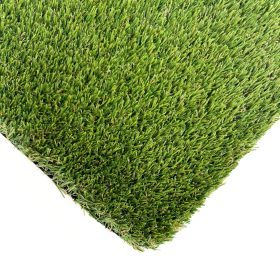
Synthetic turf should be installed to create a smooth, level surface, free from obstacles. This setup minimizes the effort required for wheelchair navigation and enhances stability.
- Turf Installation Techniques: Employing proper installation techniques is vital. This includes ensuring the turf is taut without any bumps or folds.
- Quality Materials: Choosing high-quality, durable synthetic turf ensures a long-lasting surface that withstands wear and tear.
2. Graded Pathways
Introducing pathways that lead to and through turf areas can improve accessibility significantly.
- Gentle Slopes: Paths should have gentle slopes ideally not exceeding 5% for ease of wheelchair navigation.
- Width Requirements: Ensure pathways are at least 36 inches wide to accommodate standard wheelchairs comfortably.
Design Considerations
Accessibility layouts should include several design elements to enhance user experience:
1. Clear Signage
Visible signs indicating accessible routes and facilities significantly aid users in navigating parks or recreational areas.
2. Amenities Access
Ensure that all amenities, such as benches, picnic tables, and restrooms, are accessible from turf areas.
- Turf Design Placement: Strategically place amenities within easy reach of wheelchair users.
- Adaptable Furniture: Use furniture that accommodates multiple abilities, such as tables with lower heights.
3. Safety Features
Safety should always be a priority.
- Rounded Edges: Design all levels, transitions, and edges seamlessly to prevent accidents.
- Soft Impact Zones: Incorporate softer turf materials in areas where falls could occur.
Benefits of Accessibility Features
Integrating accessibility features into wheelchair turf layouts offers numerous benefits:
- Community Cohesion: Accessible recreational areas foster social interaction among diverse user groups.
- Increased Usage: Parks and recreational facilities that prioritize accessibility experience higher usage rates.
- Enhanced Quality of Life: Providing access to outdoor spaces for individuals with mobility challenges promotes mental and physical well-being.
Turf Design Options
For varying abilities and uses, consider diverse turf designs suitable for all abilities:
- Sporting Areas: Design multipurpose fields that cater to various sports accommodating wheelchair athletes.
- Quiet Zones: Create peaceful spaces with synthetic turf for relaxation and leisure.
- Playgrounds: Ensure safe areas for children are equipped with inclusive play equipment accessible to all.
Choosing the Right Turf
When considering durable turf for wheelchair layouts, sustainable turf options play a significant role. Integriturf offers a wide variety of durable synthetic turf, engineered for resilience and accessibility. Here’s how to choose the right option:
- Foot Traffic Durability: Look for turf designed to handle high foot traffic without losing integrity.
- Maintenance Requirements: Select options that require minimal maintenance, ensuring they remain safe and usable.
Local Suppliers for Easy Access
Choosing local turf suppliers in Chula Vista can simplify the purchasing process and provide easy access to high-quality materials. To learn more about finding the best options, check out our resource on local turf suppliers in Chula Vista for easy access.
FAQs
What are the essential accessibility features for wheelchair turf layouts?
Essential features include smooth and even surfaces, clear signage, graded pathways, and accessible amenities.
How do I ensure that my turf design is safe for everyone?
Consider rounded edges, soft impact zones, and clear pathways to ensure safety in your turf designs.
Can synthetic turf be customized for accessibility?
Yes, synthetic turf can be designed and customized to incorporate various accessibility features, making it suitable for all users.
Why is it vital to have accessible turf designs?
Having accessible turf designs promotes inclusivity, encourages community engagement, and enhances the quality of life for individuals with mobility challenges.
Conclusion
Ensuring accessibility features for wheelchair turf layouts is essential in creating inclusive and safe recreational spaces for all. By focusing on smooth surfaces, accessible pathways, and adequate signage, communities can foster environments that are welcoming to everyone. Learn more about accessible turf designs to ensure you’re making the best choices for your projects today!