Glossary
Urban Gardening with Synthetic Grass Solutions
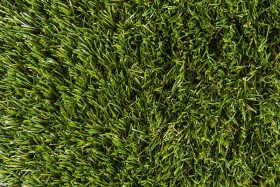
Urban gardening has become a popular trend, as more city dwellers seek to cultivate green spaces in their limited outdoor areas. A cutting-edge approach to this trend is urban gardening with synthetic grass solutions. Synthetic grass offers a versatile, low-maintenance alternative to traditional gardening methods, allowing urban gardeners to maximize their space while enjoying the aesthetics of lush greenery.
Benefits of Using Synthetic Grass in Urban Gardens
1. Low Maintenance
One of the most compelling reasons to consider synthetic grass for urban gardening is its low maintenance requirements. Unlike natural grass, synthetic turf does not need regular mowing, watering, or fertilizing. This makes it an ideal solution for busy urbanites who want the beauty of greenery without the upkeep.
- No Mowing: Enjoy a consistently manicured look without the effort.
- Water Conservation: Save water as there’s no need for regular irrigation.
- Pest Resistance: Synthetic surfaces are less prone to pests and weeds.
2. Versatile Applications
Synthetic grass is incredibly versatile and can be employed in various urban gardening scenarios such as:
- Rooftop Gardens: Transform unused rooftop space into beautiful green areas.
- Balconies and Patios: Create a welcoming outdoor space that feels alive.
- Community Spaces: Enhance parks and recreational areas with durable, green surfaces.
Explore our guide on creative roof garden designs with pet-friendly synthetic grass installations to see how you can elevate your gardening efforts.
3. Aesthetic Appeal
Synthetic grass provides a vibrant green landscape year-round, irrespective of local climate or weather conditions. This allows urban gardeners to enjoy a lush, inviting atmosphere without the seasonal browning that often accompanies natural grass.
- Color Consistency: Bright greens enhance any urban garden’s visual appeal.
- Design Flexibility: Available in various textures and styles, synthetic grass can complement any decor.
Check out more about innovative designs in our section on gardening.
How to Incorporate Synthetic Grass into Urban Gardening
Integrating synthetic grass into your urban gardening project is easier than you may think. Here’s a step-by-step guide:
Step 1: Assess Your Space
Evaluate the area where you plan to install synthetic grass. Consider factors such as sunlight, foot traffic, and existing landscaping structures.
Step 2: Choose the Right Type of Synthetic Grass
Select turf that suits your needs. Options vary based on texture, height, and color. Consider turf specifically designed for pet-friendly environments if pets will use the area.
Step 3: Prepare the Area
- Clear the Space: Remove existing vegetation and debris.
- Level the Ground: Ensure a flat surface for optimum installation.
Step 4: Install the Grass
- Lay the Turf: Roll out the synthetic grass, ensuring it fits the designated area without overlaps.
- Secure the Edges: Use stakes or nails to hold the grass in place.
Step 5: Add Finishing Touches
Incorporate planters, garden furniture, or ornamental features to enhance the overall garden design. You can explore our tips on designing family-friendly spaces using backyard synthetic grass installations.
Environmental Impact of Synthetic Grass
With more gardeners focusing on sustainability, synthetic grass presents a greener option for urban gardening. Benefits include:
- Reduced Water Usage: Synthetic grass requires no watering.
- Less Pollution: The absence of lawn mowers leads to reduced fossil fuel emissions.
- Durability: Quality synthetic turf lasts for years, minimizing waste and the need for replacements.
Furthermore, synthetic grass can contribute to improved air quality in urban settings by creating more green spaces. Learn about creating vibrant community spaces with turf in our article on fitness land areas where turf dominates.
Frequently Asked Questions
What are the main advantages of synthetic grass for urban gardens?
Synthetic grass offers low maintenance, aesthetic appeal, and versatility, making it perfect for urban settings.
Can I use synthetic grass for edible gardens?
While synthetic grass is primarily used for landscaping, it can be safely incorporated into edible gardens as flooring between plant beds.
How long does synthetic grass last?
Quality synthetic grass can last up to 15-20 years with proper care and maintenance.
Is synthetic grass safe for pets and children?
Yes, many types of synthetic grass are designed to be safe for both pets and children, with materials that are non-toxic and resistant to wear.
Conclusion
Urban gardening with synthetic grass solutions offers an innovative way to enhance city life. With its low maintenance, versatility, and aesthetic appeal, synthetic grass is not just a practical choice but also a stylish addition to your urban landscape. Whether you’re creating a rooftop oasis, a vibrant balcony garden, or upgrading a community space, synthetic grass can help turn your vision into reality. By embracing synthetic turf, urban gardeners can contribute to greener, more sustainable cities while enjoying the beauty of their gardens all year round.