Glossary
Evaluating Turf Samples in Different Lighting Conditions
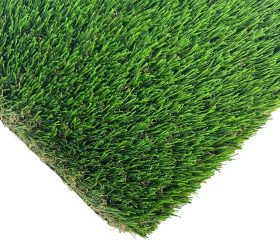
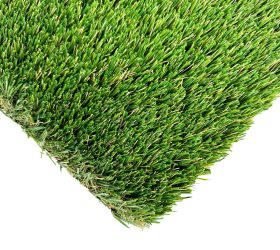
When selecting the ideal synthetic turf for your residential or commercial property, evaluating turf samples in different lighting conditions is paramount. Different lighting can dramatically affect the appearance and performance of synthetic grass, making it essential to assess your options under variable light scenarios.
Understanding the Importance of Lighting in Turf Evaluation
Lighting conditions play a crucial role in how artificial turf looks and feels. Variations in natural and artificial light can influence the color, texture, and overall appeal of the turf samples you are considering.
The Impact of Natural Light
Natural light changes throughout the day and across seasons, affecting how the turf is perceived. For example:
- Morning Light: Early sunlight casts a soft, golden hue, often enhancing the vibrant greens of synthetic grass.
- Afternoon Light: With the sun positioned high, colors may appear more saturated but could also reveal imperfections in lower-quality turf.
- Evening Light: Diminished light levels can create shadows, emphasizing texture and depth, highlighting the need for uniformity in color and production quality.
The Role of Artificial Light
Artificial lighting, whether in residential homes or commercial properties, also impacts turf evaluation:
- LED and Fluorescent Lights: These can accentuate certain hues, making artificial grass appear different than it would in natural settings. High-quality turf should maintain a consistent appearance under various light sources.
- Decorative Lighting: When evaluating turf around creative border designs, assess how lights enhance or detract from the turf’s appearance.
Evaluating Turf Samples: Key Factors to Consider
When evaluating turf samples in different lighting conditions, keep these factors in mind:
1. Color Consistency
Check if the turf maintains consistent color variations when exposed to different lighting. This ensures that the turf looks appealing regardless of the time of day or type of artificial light present.
2. Texture and Realism
The texture of synthetic turf can be evaluated better under varied lighting. Observe how shadows and highlights created by different light sources emphasize the grass blades and overall realism. High-quality turf from Integriturf will mimic the look and feel of natural grass.
3. Performance Under Stress
Evaluate how the turf withstands various environmental conditions such as heat and moisture. The turf’s resilience will determine its long-term performance, keeping your lawn vibrant and attractive. Learn more about turf base moisture maintenance strategies to ensure longevity.
How to Test Turf Samples Effectively
Here’s a simple guide for effectively evaluating turf samples in different lighting conditions:
Step 1: Choose Locations with Varied Lighting
Select multiple locations for testing where the turf will typically be installed. This includes shaded areas, direct sunlight locations, and spots illuminated by artificial light.
Step 2: Observe and Record
Spend time observing each turf sample in these varied conditions. Make notes on:
- Color vibrancy under different lighting.
- Any visible inconsistencies or textures.
- How the turf interacts with the landscape design.
Step 3: Compare Samples
Bring in multiple samples from top suppliers, focusing on color, texture, and realism. This will enable you to visually compare the options side by side.
Benefits of Proper Evaluation
Evaluating turf samples under varying lighting conditions carries several benefits:
- Enhanced Aesthetics: Ensure that your selected turf complements the landscape effectively, regardless of time or light quality.
- Durability Assurance: High-quality products make a significant difference in durability and maintenance requirements. Check out more on evaluating options for turf installers’ portfolios to ensure you make an informed decision.
- Long-Term Satisfaction: Investing time in evaluation leads to a more satisfactory end result, avoiding the common pitfalls of poor-quality turf.
Frequently Asked Questions
How do different lighting conditions affect turf appearance?
Different lighting conditions can dramatically alter the perception of color and texture in synthetic turf. Natural sunlight brings out vibrancy, while artificial lighting may reveal imperfections.
Why is color consistency important in synthetic turf?
Color consistency ensures that turf remains visually appealing in various lighting scenarios. This consistency maximizes the aesthetic and functional appeal of your chosen turf.
What features should I look for in high-quality turf samples?
High-quality turf should exhibit realistic colors, textures, and durability, and perform well under different lighting conditions to mimic the look of natural grass.
Conclusion
Evaluating turf samples in different lighting conditions is an essential step in selecting the perfect synthetic grass for your property. By understanding how light impacts your turf choices, you can ensure the aesthetic appeal and durability of your investment. For more information on creating visually spectacular landscapes with turf solutions, visit our guide on optimizing visually spectacular landscapes for turf solutions.
By considering all of these factors and employing a methodical approach to turf evaluation, you’ll be equipped to make an informed decision for your residential or commercial space.