Glossary
Achieve a Net Zero Yard with Artificial Turf
Creating a sustainable outdoor environment is more important than ever. One innovative solution underway is the concept of a net zero yard with artificial turf. This approach not only reduces water usage but also minimizes your carbon footprint, contributing to a healthier planet. By integrating artificial grass into your landscaping, you can enjoy a vibrant, green yard all year round without the high costs and environmental impact of traditional lawns.
What is a Net Zero Yard?
A net zero yard is designed to balance energy usage and resource expenditures with self-sufficiency. This means creating a landscape that generates as much energy and reduces as much water use as it consumes. By utilizing environmentally friendly materials—such as artificial turf—you can lessen reliance on natural resources while maintaining the aesthetic appeal of your outdoor space.
Key Components of a Net Zero Yard:
- Water Conservation: Artificial turf requires no irrigation, significantly cutting down on water usage.
- Energy Efficiency: Installing energy-efficient lighting and appliances can enhance overall sustainability.
- Biodiversity: Incorporating native plants and sustainable practices can foster a thriving ecosystem alongside your new turf.
Benefits of Artificial Turf in Achieving a Net Zero Yard
Investing in artificial turf provides a myriad of advantages that align with the net zero yard concept. Here are some of the most compelling benefits:
1. Water Savings
One of the most significant advantages of a net zero yard with artificial turf is the substantial reduction in water consumption. Traditional lawns often require thousands of gallons of water annually for maintenance. In contrast, artificial grass is designed to withstand various climates without the need for irrigation.
2. Reduced Greenhouse Gas Emissions
Artificial turf eliminates the need for gas-powered lawn care equipment, such as mowers and trimmers, which contribute to greenhouse gas emissions. Transitioning to a synthetic lawn can significantly lower your house’s carbon footprint.
3. Low Maintenance
With minimal upkeep needed, artificial grass saves both time and money. Homeowners no longer need to spend countless hours mowing, fertilizing, and watering. For those interested in low maintenance residential turf solutions, artificial turf is a perfect choice.
4. Durability and Longevity
Artificial turf is designed to withstand heavy foot traffic, making it ideal for high-use areas. Whether you’re using your yard for family gatherings or sports, synthetic grass retains its appearance and functionality over time.
5. Pest Resistance
Synthetic lawns are less prone to pests and diseases, eliminating the need for chemical pesticides that could harm the environment.
How to Create Your Net Zero Yard With Artificial Turf
Transforming your outdoor space into a net zero yard begins with careful planning and implementation. Follow these steps to achieve your sustainable oasis:
Step 1: Evaluate Your Space
Assess your current landscaping layout and identify areas suitable for artificial turf installation. Consider sun exposure, drainage, and existing vegetation.
Step 2: Select the Right Turf
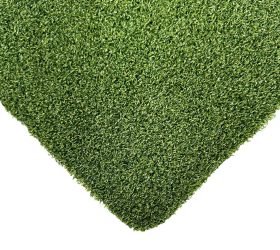
Choosing the perfect type of artificial grass is crucial. Factors to consider include texture, durability, and color. Integriturf offers a range of options to cater to different aesthetics and functionality.
Step 3: Prepare the Area
Before installation, ensure the area is free of debris, rocks, and existing grass. Level the surface for even turf placement, enhancing drainage and appearance.
Step 4: Installation
Professional installation ensures optimal performance and longevity. Learn more about artificial turf curing time to understand how your new turf will settle.
Step 5: Incorporate Sustainable Practices
Consider adding solar lighting and native plants to increase biodiversity and energy efficiency. A well-planned design fosters an environmentally friendly outdoor space.
Frequently Asked Questions
What maintenance is required for artificial turf?
Artificial turf requires minimal maintenance. Regular brushing and occasional rinsing to remove debris and allergens are all that is typically needed.
Can I install artificial turf myself?
While DIY installation is possible, hiring professionals ensures a higher quality result. Consider the long-term benefits of a professional installation versus the immediate cost savings of a DIY approach.
Is artificial turf safe for pets?
Yes, high-quality artificial turf is safe for pets. It is designed to withstand pet activity and can be easily cleaned.
How do I care for artificial turf during winter?
Maintaining your lawn in winter is crucial for longevity. Discover essential tips in our guide on artificial turf care during winter.
Conclusion
Embracing a net zero yard with artificial turf is a sustainable choice that benefits both homeowners and the environment. By choosing artificial grass, you can enjoy a beautiful lawn that requires minimal resources and maintenance while contributing to a greener planet. If you’re ready to make the switch, explore our options for artificial turf for mobile homes and discover how to create your dream outdoor space today! For additional insights, consider our all-weather artificial grass for residential solutions, perfect for any climate.