Glossary
Adjusting Turf Solutions for Sloped Backyards
Transforming a sloped backyard into an inviting outdoor space can be a complex challenge, but with the right adjusting turf solutions for sloped backyards, you can create a beautiful and functional area that complements your home. Integrating synthetic turf into a sloped landscape adds aesthetic appeal and practicality, making it a popular choice among homeowners. This guide will explore effective strategies, considerations, and benefits of installing turf on sloped properties.
Understanding the Challenges of Sloped Backyards
Installing artificial grass in sloped backyards requires careful planning and execution. Below are some common challenges faced:
Drainage Concerns
- Water Accumulation: Slopes can lead to water pooling in certain areas, which may undermine the turf integrity.
- Soil Erosion: A natural concern with sloping land, which can affect both aesthetics and functionality.
Installation Difficulty
- Customization Needs: Sloped areas may require tailored turf solutions to ensure proper fit and appearance.
- Heavy Material Management: The weight and volume of shipping practices for turf can complicate transport and installation.
Steps for Effective Turf Installation on Slopes
When installing turf on sloped backyards, follow these structured steps to achieve the best results:
1. Site Assessment
Begin with a thorough assessment of your yard’s slope. Identify the steepness, and any existing drainage issues. Consider consulting with professionals to evaluate the need for potential grading or reshaping.
2. Drainage Solutions
Implement effective drainage solutions to manage runoff:
- French Drains: Installing a French drain system can redirect water away from the turf areas.
- Swales: Create shallow, wide channels that will direct water to designated drainage points.
3. Select the Right Turf
Choose a high-quality synthetic turf designed to withstand various conditions. Factors to consider include:
- Durability: Opt for turf that can handle heavy foot traffic and resist wear.
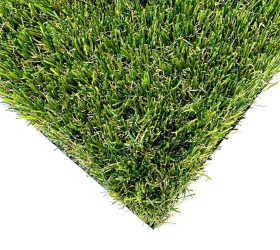
- Texture and Color: Select a product that complements your home’s exterior and provides a natural look.
4. Prepare the Ground
Proper ground preparation is vital for installation:
- Clearing Debris: Remove rocks, roots, and existing grass to establish a clean base.
- Leveling the Surface: Where feasible, level the area while maintaining a slight grade for drainage.
5. Install Turf
Follow these installation tips:
- Cutting and Fitting: Ensure the turf is cut to suit the slope contour.
- Securing Edges: Use stakes or adhesive to secure the turf edges, minimizing the chance of shifting or bunching.
Benefits of Synthetic Turf for Sloped Areas
Integrating artificial grass in sloped backyards offers various benefits that enhance both functionality and aesthetics.
Low Maintenance
Synthetic turf requires minimal upkeep when compared to traditional grass. You’ll spend less time mowing, watering, and weeding, allowing you to enjoy your space more.
Environmental Impact
Artificial grass reduces the need for water, fertilizers, and pesticides. This shift is beneficial for the environment, contributing to water conservation.
Aesthetics and Comfort
High-quality turf provides a lush, green appearance year-round. It’s an excellent surface for activities, creating a comfortable and usable space for families and pets.
FAQs About Adjusting Turf Solutions for Sloped Backyards
How do I determine the steepness of my slope for turf installation?
To assess your yard’s slope, use a level or a simple clinometer. A slope greater than 30 degrees will require more advanced installation techniques.
Will synthetic turf hold up well on a slope?
Yes, with proper installation and material selection, synthetic turf can thrive on sloped surfaces. Ensure it is correctly anchored and sealed to prevent movement.
Can I use turf for sports or recreational activities on a slope?
Absolutely! Many synthetic turfs are designed for heavy usage and can support various activities, making them suitable for sports areas, playgrounds, or gathering spots.
What additional design considerations are useful for sloped backyards?
Consider incorporating retaining walls, steps, or terraces to enhance usability and aesthetics. For more ideas, refer to our design considerations for bocce ball courts with turf.
Conclusion
In summary, adjusting turf solutions for sloped backyards involves meticulous planning, innovative drainage strategies, and careful selection of materials. By implementing the right approaches, you can convert challenging slopes into vibrant, usable spaces for relaxation and play. With the myriad benefits of synthetic turf—such as low maintenance and aesthetic appeal—it’s an ideal choice for elevating your outdoor environment.
For additional insights into turf options and maintenance practices, visit our page on options for turf suitable for warm climates or explore solutions that elevate outdoor experiences for unique outdoor design concepts.
Embark on your turf transformation journey today by consulting with Integriturf— your partner in creating stunning outdoor spaces with high-quality synthetic turf.