Glossary
Analyzing the Effectiveness of Artificial Grass Over Five Years of Use
The use of artificial grass has surged in popularity over the past decade, particularly in regions with varied climates, like San Diego. For homeowners and businesses alike, understanding the effectiveness of artificial grass over an extended period is crucial for making informed decisions. This article delves deeply into analyzing the effectiveness of artificial grass over five years of use, highlighting benefits, challenges, and key considerations.
Understanding Artificial Grass
What Is Artificial Grass?
Artificial grass, or synthetic turf, is designed to mimic the appearance and functionality of natural grass. It is composed of fibers made from materials like polypropylene, polyethylene, or nylon, which are engineered to withstand wear and tear while providing a lush look all year round.
The Rise of Synthetic Turf
The growing demand for synthetic lawns can be attributed to their durability, low maintenance requirements, and aesthetic appeal. Integriturf has positioned itself as a leading supplier of premium artificial grass products tailored for both commercial and residential uses.
Benefits of Artificial Grass Over Five Years
Artificial grass offers numerous advantages that become increasingly apparent over a five-year usage period:
1. Low Maintenance
One of the most significant benefits is the reduction in maintenance. Unlike natural grass, which requires regular mowing, watering, and fertilization, synthetic turf remains pristine with minimal upkeep. Regular brushing and occasional rinsing are usually sufficient.
- Cost Savings: With the decreased need for landscaping maintenance, homeowners can save on services and materials.
- Time Efficiency: Less time spent on yard work means more time to enjoy your outdoor space.
2. Aesthetic Consistency
Over the years, artificial grass retains its vibrant color and texture, regardless of weather conditions or seasons.
- No Brown Patches: Unlike real grass, which can suffer from droughts or overwatering, synthetic turf remains uniformly green, enhancing property appeal.
- Year-Round Use: With artificial grass, recreational areas can be used throughout the year without the concerns associated with natural lawns.
3. Environmental Benefits
Understanding the long-term impacts of synthetic lawns shows their potential environmental advantages:
- Water Conservation: In drought-prone regions, artificial grass significantly reduces water usage, contributing to sustainability efforts.
- Chemical Reduction: The absence of fertilizers and pesticides in maintaining synthetic turf creates a healthier environment for both people and pets.
Challenges of Artificial Grass Use
While the benefits are compelling, a few challenges can arise when analyzing the effectiveness of artificial grass over five years:
1. Initial Installation Costs
Investing in high-quality artificial grass can be more expensive upfront compared to natural grass landscaping. However, considering maintenance savings and water bills, this cost can be recuperated over time.
2. Heat Absorption
One notable challenge is the heat retention of synthetic turf. Studies have shown that artificial grass can absorb and radiate heat, potentially making areas uncomfortable during hot weather. However, solutions such as heat reduction technologies are now being developed to mitigate these issues.
- Understanding Artificial Turf Heat Reduction: Why It Matters: Knowledge of heat retention can inform choices about installation locations and materials.
3. Lifespan Considerations
While artificial grass is designed for longevity, it is essential to recognize that not all products are created equal. A high-quality product from Integriturf can last upwards of 15 years, depending on usage and care.
Five-Year Analysis of Artificial Grass Performance Benefits
A comprehensive five-year analysis reveals key performance metrics for synthetic turf:
- Durability: Assessing the materials used and their resistance to fading, wear, and tearing.
- Maintenance Schedule: Evaluating how upkeep changes over time and any additional care that might be needed.
- Cost Efficiency: Comparing the total cost of ownership, including installation, maintenance, and water savings.
For a detailed breakdown of these analyses, explore our five-year analysis of artificial grass performance benefits.
Frequently Asked Questions
How often should artificial grass be cleaned?
Regular raking and occasional rinsing with water are recommended to prevent debris buildup. Specific cleaning schedules may vary based on environmental conditions and usage.
Do pets damage artificial grass?
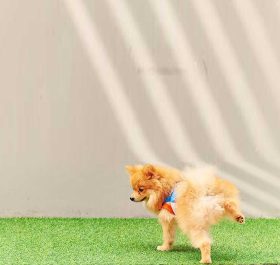
No, artificial grass is designed to withstand wear from pets. It is easy to clean, making it a suitable surface for pet owners.
What is the long-term value of synthetic lawns?
Investing in synthetic grass provides a long-term value through savings in maintenance costs, water conservation, and the enhancement of property aesthetics.
For a deeper understanding of the value of synthetic lawns, visit our page on understanding the long-term value of synthetic lawns.
Conclusion
Analyzing the effectiveness of artificial grass over five years provides valuable insights for potential buyers. The benefits of low maintenance, aesthetic consistency, and environmental advantages outweigh the challenges, particularly when considering advancements in technology like heat reduction solutions. As a premier provider of synthetic turf solutions, Integriturf offers options that cater to diverse needs while ensuring quality performance over the long term.
Explore our insights on investing in durable synthetic turf for climate challenges and understand how artificial grass can be a sustainable choice for your property.