Glossary
Artificial Grass on Uneven Ground: Transform Your Landscape with Ease
When it comes to landscaping, creating a beautiful and functional outdoor space can be challenging, especially on uneven ground. However, installing artificial grass on uneven ground offers a practical solution that enhances aesthetics while providing a durable surface for various activities. In this article, we will explore how you can effectively implement synthetic turf on uneven terrain and the numerous benefits that accompany this choice.
Understanding the Challenges of Uneven Ground
Before diving into the benefits and installation process, it’s important to understand the challenges posed by uneven ground. These can include:
- Soil Erosion: Sloped areas are prone to erosion, which can lead to unstable soil and an unkempt appearance.
- Drainage Issues: Uneven surfaces can cause water pooling, leading to muddy areas and potential damage to lawn care products.
- Difficult Navigation: For families with children or elderly members, navigating a steep or bumpy yard can be hazardous.
Benefits of Artificial Grass on Uneven Terrain
Installing synthetic turf provides numerous advantages for uneven landscapes. Here are some key benefits:
Durable and Low Maintenance
Artificial grass withstands various weather conditions and requires minimal upkeep. Unlike natural grass, which may struggle on uneven ground, synthetic turf maintains its integrity and appearance regardless of the terrain, saving you time and money on maintenance.
Aesthetically Pleasing
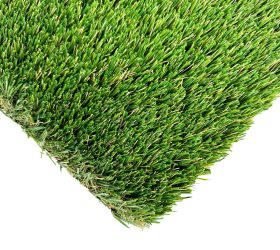
One of the primary reasons homeowners choose artificial grass is its ability to enhance the visual appeal of their space. High-quality synthetic turf mimics the look of natural grass, offering a lush and vibrant appearance that can transform any uneven area into an inviting landscape.
Safe and Comfortable
With proper installation, artificial turf provides a safe surface for children and pets to play on, even on slopes or uneven terrains. Its cushioning qualities minimize injuries from falls, offering peace of mind for parents and pet owners alike.
Steps to Install Artificial Grass on Uneven Ground
Installing artificial grass on uneven ground involves several essential steps. Here’s a concise guide:
1. Assess the Area
Begin by evaluating the uneven sections of your yard. Identify high and low points and determine if any significant grading will be necessary.
2. Clear the Space
Remove any existing vegetation, rocks, or debris. This process ensures a clean base for your synthetic turf installation.
3. Level the Ground
Depending on the degree of unevenness, you may need to grade the area to create a smoother surface. This can involve adding or removing soil and ensuring proper drainage.
4. Install a Weed Barrier
To prevent weeds from growing beneath your artificial grass, lay down a weed barrier over the leveled ground. This step will enhance the longevity and cleanliness of your turf.
5. Add Base Material
Place a layer of crushed stone or decomposed granite as the base. This material allows for improved drainage and a stable foundation.
6. Lay the Artificial Grass
Unroll the artificial grass and position it over the prepared area. Make sure to follow the manufacturer’s guidelines for installation, especially on sloped surfaces.
7. Secure the Turf
Use landscaping staples or adhesive to secure the edges of the turf, ensuring that it lies flat and looks seamless.
8. Brush and Fill
Brush the fibers of the artificial grass to lift them and create a natural appearance. Adding infill (such as sand or rubber) helps weight down the turf and provides added cushioning.
FAQs About Artificial Grass on Uneven Ground
Can artificial grass be installed on steep hills?
Yes, artificial grass can be installed on steep hills with proper grading and securing methods. It is essential to ensure the turf is installed tightly to prevent slippage.
How does artificial grass help with drainage?
Artificial grass allows water to permeate through its backing, preventing pooling and improving overall drainage in uneven areas. Proper base material also enhances drainage capabilities.
Is artificial grass eco-friendly?
While artificial grass doesn’t require watering or pesticides, its impact on the environment depends on the materials used. Choosing a high-quality, environmentally friendly product can mitigate some concerns.
What maintenance does artificial grass need on uneven ground?
Maintenance for artificial grass mainly involves regular brushing, cleaning debris, and checking for any areas requiring repairs. For a comprehensive guide, refer to our article on how to spring clean artificial turf.
Conclusion
Opting for artificial grass on uneven ground is an ideal solution for homeowners looking to enhance their outdoor spaces without dealing with the typical challenges posed by natural grass. The durability, aesthetic appeal, and safety benefits of synthetic turf make it a worthwhile investment. For those interested in exploring more about transforming specific areas, such as installing artificial grass for storage unit areas, visit our page on artificial grass for storage unit area.
Reimagine your landscape with Integriturf’s premium synthetic turf solutions and discover how easy it is to turn even the most challenging terrain into a beautifully functional outdoor space.