Glossary
Artificial Turf Patch Repair: A Comprehensive Guide
Artificial turf is an excellent investment for homeowners and businesses alike, offering a lush, green landscape that requires minimal maintenance. However, even the most durable synthetic grass can experience wear and tear over time. In this guide, we’ll explore everything you need to know about artificial turf patch repair, including the causes of damage, repair methods, and tips for maintaining your turf quality.
Understanding Artificial Turf Damage
Common Causes of Damage
Before diving into artificial turf patch repair, it’s essential to understand what causes damage to your turf. Common culprits include:
- Heavy foot traffic: Areas with constant use may show signs of wear.
- Pet activity: Dogs and cats can be hard on your turf, particularly when they dig or urinate on it.
- Weather conditions: Extreme heat or heavy rainfall can lead to fading and separation at the seams.
- Faulty installation: An improper installation process can lead to long-term issues in your artificial grass.
Knowing these potential issues can help you prevent further damage and prepare for any necessary repairs.
Steps for Artificial Turf Patch Repair
When it comes to repairing artificial turf, homeowners can often complete the process with some basic tools and materials. Follow these steps to ensure a successful patch repair.
Step 1: Assess the Damage
Before starting repairs, examine the affected area. Identify the extent of the damage—whether it’s a small patch or an entire section—so you can plan accordingly.
Step 2: Gather Your Supplies
You will need the following materials to perform effective turf patch repairs:
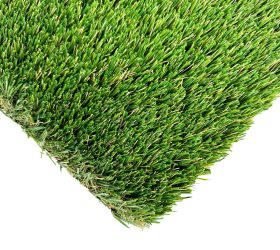
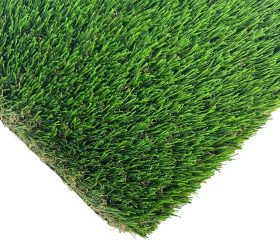
- Replacement patch of artificial turf
- Sharp utility knife
- Adhesive (specifically for turf)
- Infill materials
- A brush or broom
- Artificial turf seam tape (if applicable)
Step 3: Cut Out the Damaged Section
Using a sharp utility knife, carefully cut out the damaged part of the turf. Ensure the edges are clean to facilitate proper adhesion later.
Step 4: Prepare the Area
Make sure the base material beneath the patch is stable and clean. If needed, replace infill materials to ensure the new patch sits flush with the surrounding turf.
Step 5: Attach the Patch
Place the replacement turf patch into the hole you created. Apply adhesive to the edges and use turf seam tape if necessary. Press down firmly to secure it in place.
Step 6: Add Infill
Spread infill material over the new patch and the surrounding turf, then use a brush to evenly distribute it. This step is crucial for maintaining the appearance and durability of your repaired turf.
Step 7: Final Touches
Allow the adhesive to cure according to the manufacturer’s instructions. Once set, brush the turf to fluff it up, ensuring it blends seamlessly with the existing grass.
Benefits of Professional Artificial Turf Patch Repair
While DIY repairs can be effective, consider the advantages of hiring professionals for artificial turf patch repair. Experts will ensure the job is done correctly, saving you time and potentially reducing future issues. Their experience in artificial turf installation can also identify underlying problems that you may overlook.
Maintaining Your Turf Quality
Once repairs are completed, implementing best practices for maintaining turf quality should be your next priority. Regular cleaning and care can extend the life of your artificial grass and keep it looking pristine. For detailed tips, check out our guide on best practices for maintaining turf quality.
FAQs About Artificial Turf Patch Repair
How long does an artificial turf patch repair last?
The longevity of a patch repair depends on several factors, including the quality of the materials used, the method of installation, and overall maintenance. If done correctly, patches can last as long as the original turf.
Is it difficult to repair artificial turf?
Repairing artificial turf can be straightforward or complex, depending on the damage. Small patches are typically manageable for DIY enthusiasts, but larger areas or specialized repairs might require professional expertise.
Can I repair artificial turf myself?
Yes, many homeowners successfully perform patch repairs themselves. Follow the outlined steps for the best results, or consult a professional if you’re unsure.
What is the cost of artificial turf patch repair?
The cost can vary depending on the size of the area being repaired and the materials used. For an estimate tailored to your situation, review our information on artificial turf cost.
In summary, maintaining the beauty and functionality of your artificial turf through timely patch repairs is essential. With the right tools, techniques, and material sourcing, you can restore your landscape to its original perfection. Remember to regularly check for signs of wear and consider professional help for complex issues. For more detailed insights into landscaping options, explore our guide on designing residential landscapes with turf.