Glossary
Commercial Turf for LEED Buildings: Enhancing Sustainability and Aesthetics
In an era where sustainability is paramount, integrating commercial turf for LEED buildings presents an innovative solution to meet environmental goals while enhancing aesthetic appeal. LEED (Leadership in Energy and Environmental Design) certification signifies that a building adheres to stringent green building standards, promoting energy efficiency and environmental responsibility. Discover how synthetic turf can benefit LEED-rated properties and contribute to sustainable urban development.
Understanding LEED Certification
LEED is an internationally recognized certification system that assesses the environmental performance of a building. Incorporating commercial turf into a LEED project meets various sustainability criteria:
- Water Efficiency: Utilizing commercial turf significantly reduces water consumption compared to traditional landscaping.
- Heat Island Reduction: Synthetic turf helps mitigate heat island effects by cooling urban environments, benefiting both the building and its occupants.
- Sustainable Sites: Green spaces contribute positively to the ecosystem, promoting biodiversity.
- Innovative Design: Incorporating artificial turf is a forward-thinking strategy that showcases commitment to sustainability.
Benefits of Commercial Turf for LEED Buildings
1. Water Conservation
Utilizing commercial turf for LEED buildings can dramatically lower water usage. Traditional lawns often require extensive irrigation, whereas synthetic options need no water. According to studies, switching to artificial turf can save up to 70% more water than natural grass. This not only benefits the environment but can also lead to significant cost savings.
2. Maintenance Efficiency
Commercial turf is designed for durability and low maintenance. Unlike natural grass, it eliminates the need for mowing, fertilization, and pest control—further reducing environmental impact. This means fewer resources are used over time, allowing property managers to allocate funds elsewhere.
3. Year-Round Aesthetic Appeal
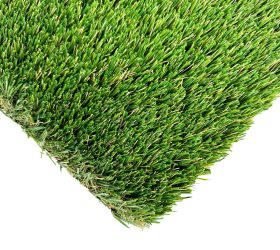
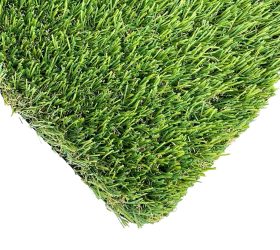
One of the primary advantages of artificial turf for new construction is its consistent look throughout the year, independent of local climates. This reliability ensures that commercial properties maintain a beautiful landscape which can positively affect tenant satisfaction and client perceptions.
4. Environmental Impact
By opting for commercial property turf, developers and property owners can reduce the carbon footprint associated with landscaping. The materials used in high-quality synthetic turf are often derived from recycled sources, enhancing overall sustainability. Furthermore, the reduced need for chemical applications promotes a healthier environment for both inhabitants and surrounding ecosystems.
Choosing the Right Turf for LEED Buildings
When selecting commercial turf for a LEED project, consider the following factors:
- Quality of Materials: Choose turf made from recycled materials and ensure that the product is non-toxic and safe for both people and pets.
- Installation Process: Proper installation is crucial for maximizing the benefits of synthetic turf. Engage professionals who specialize in wholesale artificial turf to ensure optimal results.
- Integration with Other Sustainable Features: Combine artificial turf with other eco-friendly building practices to meet LEED criteria efficiently.
Frequently Asked Questions
What is LEED certification?
LEED certification is a mark of quality and performance in green building, focusing on sustainable site development, water savings, energy efficiency, materials selection, and indoor environmental quality.
How does commercial turf help with water conservation?
Commercial turf eliminates the need for regular irrigation, leading to significant water savings—by up to 70% compared to natural grass.
Can synthetic turf contribute to LEED credits?
Yes, incorporating synthetic turf can contribute to achieving LEED credits in areas such as Water Efficiency, Sustainable Sites, and Innovation in Design.
How do I maintain commercial turf?
Commercial turf requires minimal maintenance, primarily occasional cleaning to remove debris. There is no need for mowing, fertilizing, or pesticide application.
Conclusion
Integrating commercial turf for LEED buildings is a strategic move to foster sustainable development while enhancing property value and aesthetics. By leveraging high-quality artificial turf, property owners not only contribute to environmental stewardship but also enjoy the myriad benefits of reduced water consumption and maintenance costs.
To explore more about how synthetic turf can elevate your commercial property, discover our insights on realistic-looking commercial property turf, or learn about how effective water conservation incentives can play a role in your landscaping decisions. Embrace a sustainable future with innovative turf solutions from Integriturf.