Glossary
Commercial Turf Green Building Certification: A Step Towards Sustainable Development
As sustainability becomes an essential part of construction and landscaping, the commercial turf green building certification emerges as a crucial factor for developers, property managers, and municipalities. This certification not only recognizes environmentally conscious practices but also enhances the value of properties through effective landscape management.
Understanding Commercial Turf Green Building Certification
What is Commercial Turf Green Building Certification?
Commercial turf green building certification is a recognition process for synthetic turf installations that meet specific sustainability and environmental criteria. This certification is part of a broader initiative to promote green building practices across commercial landscapes, providing guidelines for optimal resource use and ecological impact.
Importance of Certification
-
Environmental Impact: Certified commercial turf contributes significantly to water conservation and pollution reduction, making it a viable alternative to traditional landscaping.
-
Resource Efficiency: Certification standards encourage the use of materials and practices that reduce waste and energy consumption throughout the turf’s lifecycle.
-
Property Value Enhancement: Properties with certified landscapes tend to attract more tenants and buyers who prioritize sustainability, resulting in increased real estate value.
Benefits of Adopting Commercial Turf
Ecological Advantages
The shift towards synthetic turf underpins substantial ecological benefits, including:
-
Water Savings: Artificial grass eliminates the need for extensive irrigation, contributing to significant water conservation, essential in arid regions like San Diego.
-
Reduced Chemical Use: Commercial turf requires fewer chemicals for maintenance, minimizing chemical runoff and its harmful effects on local ecosystems.
-
Increased Biodiversity: Well-designed turf landscapes can support diverse plant and animal life, enhancing local biodiversity.
Economic Benefits
-
Lower Maintenance Costs: Artificial turf reduces the need for mowing, watering, and fertilization, leading to diminished maintenance expenses over time.
-
Higher Return on Investment: Invest in commercial landscape turf to reap long-term economic benefits. Sustainable landscapes have been shown to yield higher returns when considering reduced operational costs and increased property desirability.
-
Attracting Green Initiatives: Many organizations and communities are prioritizing sustainability. Incorporating certified turf can align with their values and initiatives, improving brand perception.
Steps to Achieve Commercial Turf Green Building Certification
Achieving certification involves several key steps:
1. Assessment of Environmental Practices
Conduct an initial assessment of current landscaping practices and identify areas for improvement.
2. Selection of Certified Materials
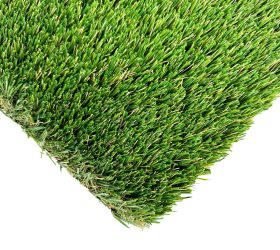
Choose high-quality, eco-friendly synthetic turf products and installation materials that meet sustainability standards.
3. Implementation of Best Practices
Follow best practices in turf installation and maintenance to ensure long-lasting performance and minimum environmental impact.
4. Documentation and Auditing
Compile documentation of sustainability practices and undergo an audit by a recognized certifying body.
5. Continuous Improvement
Stay updated with advancements in green technologies and practices to maintain certification status.
FAQs about Commercial Turf Green Building Certification
What does commercial turf green building certification entail?
Commercial turf green building certification entails meeting specific environmental criteria, focusing on resource efficiency, and demonstrating a commitment to sustainable landscaping practices.
Why should businesses consider obtaining this certification?
Businesses should consider obtaining this certification to enhance property value, reduce maintenance costs, and align with evolving sustainability regulations, which can also positively impact their brand reputation.
How does synthetic turf contribute to green building initiatives?
Synthetic turf contributes to green building initiatives by conserving water, reducing the need for chemical treatments, and minimizing landscaping waste, which aligns with broader sustainability goals.
Conclusion
The path to achieving a commercial turf green building certification is filled with opportunities for businesses seeking to embrace sustainability and enhance their environmental stewardship. By adopting certified synthetic turf solutions from INTEGRITURF, property owners can optimize their landscapes while reaping the economic and ecological benefits of responsible landscaping practices.
To learn more about the impact of artificial grass on public spaces and how it enhances landscapes, explore our section on environmental benefits of artificial turf. For pricing transparency on artificial turf installation tailored to your needs, visit our installation pricing page. Join us in shaping a more sustainable future for commercial landscapes today.