Glossary
Compare Turf Softness Samples: A Comprehensive Guide to Choosing the Right Turf
Choosing the right turf for your residential or commercial space involves several considerations, one of which is turf softness. If you’re seeking a comfortable, durable, and aesthetically pleasing surface, understanding how to compare turf softness samples is essential. In this guide, we break down what to consider, the benefits of various options, and how to make an informed decision.
What is Turf Softness?
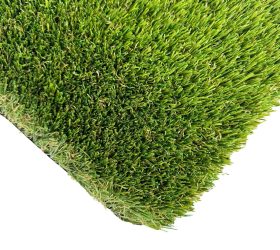
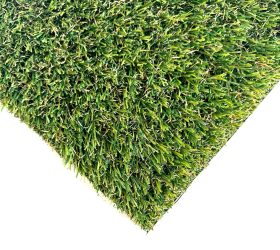
Turf softness refers to the feel and comfort level of synthetic grass when walked upon. It significantly influences the overall experience, especially in outdoor spaces like play areas, gardens, and sports fields. Different brands and types of artificial turf offer varied levels of softness, which can affect usability and enjoyment.
Factors to Consider When Comparing Turf Softness Samples
1. Material Composition
- Nylon: Known for its durability and resilience, nylon turf is one of the softer options available, making it perfect for high-traffic areas.
- Polyethylene: This material offers a great balance of aesthetics and softness, providing a realistic grass feel. It is generally more affordable than nylon while still being comfortable.
- Polypropylene: Although typically the least soft of the three, polypropylene can still provide a reasonable comfort level for light use.
2. Turf Pile Height
The height of the grass blades, known as pile height, plays a crucial role in the surface’s softness. Generally, longer pile heights can offer a more cushioned feel underfoot. To find the perfect balance, refer to our guide on the artificial turf pile height.
3. Infill Material
Infill is the material placed between turf fibers and can impact softness significantly. Options include:
- Rubber: Provides good cushioning and shock absorption, enhancing comfort.
- Sand: While not as soft as rubber, it offers stability and prevents matting.
Choosing the right infill is essential for ensuring your artificial grass remains soft and pleasant.
4. Turf Density
Turf density refers to how closely packed the grass fibers are. A denser turf will generally feel softer and more comfortable. When comparing turf softness samples, consider both the thickness and density of the grass fibers.
Benefits of Soft Turf for Different Environments
Residential Use
For homeowners, the softness of turf can enhance outdoor living areas, patios, and playgrounds. It provides a safe surface for children to play, ensuring fewer injuries and maximizing comfort.
Commercial Use
Businesses, especially those that cater to families or pets, can benefit from softer turf. For daycare outdoor areas, soft turf is an ideal choice, allowing for a safe and versatile play environment. Explore our guide on artificial turf for daycare outdoor areas for more information.
Pets
If your household includes multiple dogs, selecting the right turf is crucial for both their comfort and durability. Soft artificial grass options can provide a cozy surface for your pets to enjoy while remaining resilient against wear and tear. Discover more about pet turf to find an option that suits your furry friends.
How to Properly Compare Turf Softness Samples
Step-by-Step Guide
-
Evaluate Samples: Obtain samples from different suppliers, including Integriturf, to directly compare softness and feel.
-
Consider Your Needs: Think about how the turf will be used—playground, dog area, or decorative lawn—and prioritize softness accordingly.
-
Consult with Experts: Engage with professionals at Integriturf who can guide you through the process and offer tailored recommendations.
-
Check Reviews: Look for customer reviews and experiences to gather insights on the performance of different turf options.
-
Test Their Softness: Walk on the turf samples using bare feet or light shoes to gauge comfort levels directly.
Frequently Asked Questions (FAQs)
How do I know if turf is soft enough for my needs?
To ensure the softness of turf meets your requirements, compare different samples, and assess the material, pile height, and density.
Is soft turf more durable?
While softer turf options can provide exceptional comfort, they should also be selected based on their material and infill for durability. Nylon is highly durable and often provides better resilience.
What is the best turf for a child’s play area?
For children’s play areas, look for turf with a higher pile height and soft infill, such as rubber, to provide a safe and cushioned surface.
Conclusion
When looking to compare turf softness samples, understanding the various factors and benefits is essential for making an informed choice. With the right information, you can select a turf option that meets your needs for comfort, durability, and aesthetic appeal. For more details on turf varieties and their applications, check out our glossary on artificial turf terminology and learn how to cut artificial turf for installation. Experience the integrative quality of Integriturf to transform your outdoor spaces beautifully!