Glossary
Creating Dog-Friendly Designs Using Artificial Turf for Expansive Areas
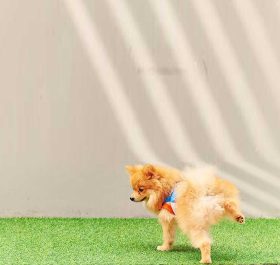
When it comes to transforming large outdoor spaces into dog-friendly environments, creating designs that incorporate artificial turf can provide an ideal solution. This approach not only ensures safe and comfortable play areas for your furry friends but also enhances the aesthetic appeal of your property. In this article, we will explore the benefits, design tips, and best practices for creating dog-friendly designs using artificial turf for expansive areas.
Why Choose Artificial Turf for Dog-Friendly Designs?
Artificial turf offers several advantages that make it an excellent choice for dog-friendly spaces. Here are some key benefits:
1. Durability
Unlike natural grass, artificial turf is resistant to heavy foot traffic, digging, and wear and tear from active pets. This durability means that your expansive areas will maintain their appearance and functionality over time, even with frequent use by energetic dogs.
2. Low Maintenance
With artificial turf, you can say goodbye to regular lawn maintenance tasks such as mowing, watering, and fertilizing. This is especially beneficial for busy pet owners who want to spend more quality time with their dogs instead of maintaining the yard. For tips on installation and upkeep, check out dog-friendly turf installations.
3. Cleanliness
One of the most significant advantages of synthetic grass is that it drains well, reducing muddy patches and keeping the area cleaner. Pet waste can be easily picked up, and the turf can be rinsed with water to eliminate odors, making it a hygienic choice for dogs.
Key Design Considerations for Dog-Friendly Areas
When designing a dog-friendly space using artificial turf, consider the following elements to ensure a safe and enjoyable environment for your pets:
1. Size and Layout
- Spacious Design: Ensure that the area is large enough for dogs to run and play freely. Consider using different zones within the space for various activities, such as a play area, a resting spot, and training zones.
- Pathways: Design clear pathways to guide pets throughout the area, which can assist in managing their movement and reducing the likelihood of damage to the turf.
2. Safety Features
- Fencing: Incorporate secure fencing to protect your pets from escaping or encountering dangers outside the yard.
- Accessibility: Make sure that the turf is accessible for dogs of all sizes and ages. Adding ramps or steps can help older dogs or smaller breeds navigate the space comfortably.
3. Comfort and Shade
- Shaded Areas: Implement shaded spots using awnings, trees, or pergolas. This will provide relief from the sun, keeping your pets cool and comfortable during hot summer days.
- Rest Areas: Create comfortable resting spots with dog beds or blankets where pets can relax after playtime.
Best Practices for Installing Artificial Turf
To achieve the best results, follow these best practices while creating dog-friendly designs using artificial turf for expansive areas:
- Select Quality Turf: Choose a premium synthetic grass product designed specifically for pets. Look for options that are non-toxic and UV-resistant to ensure durability.
- Properly Prepare the Ground: Ensure the base is level and stable to prevent uneven surfaces that can lead to injuries.
- Incorporate Drainage Solutions: Efficient drainage is critical in keeping your turf clean and odor-free. Consider installing a draining system if the area tends to retain water.
- Professional Installation: For optimal results, hire an experienced team that specializes in creating elevated pet areas with synthetic grass for thorough and accurate installation.
FAQs about Dog-Friendly Artificial Turf
What type of artificial turf is best for dogs?
The best type of artificial turf for dogs is one specifically designed for pet use. It should be durable, have good drainage, and be free of harmful chemicals. Check our guide on choosing synthetic grass for large dog breeds for more details.
How do I maintain pet-friendly artificial grass?
Maintaining pet-friendly artificial grass involves regular cleaning to remove pet waste, rinsing the area to eliminate odors, and brushing the turf periodically to keep the fibers up. For detailed maintenance tips, visit our page on effectively maintaining pet-friendly artificial grass.
Can artificial turf help reduce lawn maintenance needs?
Yes, using artificial turf can significantly reduce lawn maintenance needs. You will no longer need to mow, water, or fertilize, which saves time and resources. Explore more about this benefit through our turf solutions guide.
Conclusion
Creating dog-friendly designs using artificial turf for expansive areas is a rewarding investment for both pets and their owners. Not only does it provide a safe and enjoyable environment for dogs to play, but it also offers various benefits such as low maintenance and cleanliness. By following the design tips and best practices detailed in this guide, you can successfully transform your large outdoor spaces into vibrant, pet-friendly areas that both you and your furry companions will love.
For more information on best practices for planning your pet areas, don’t miss out on our detailed insights at dog-friendly turf installations.
Explore how to enhance your outdoor spaces today with Integriturf, your premium synthetic turf solutions experts!