Glossary
Creating Multi-Use Park Features that Embrace Turf for Functionality
In today’s urban landscape, park design is evolving to meet the diverse needs of communities. Creating multi-use park features that embrace turf for functionality not only enhances the aesthetic appeal of public spaces but also maximizes their usability and sustainability. This article will explore innovative ways to incorporate synthetic turf into park design, providing communities with flexible spaces that encourage social interaction, recreational activities, and overall well-being.
The Importance of Functional Park Features
Functional park features are essential for fostering community engagement and promoting outdoor activities. Parks equipped with multiple uses allow for a variety of programming, making them central hubs for residents. By integrating turf effectively, park designers can offer safer, more versatile spaces suited for everyone, from children to athletes.
Benefits of Turf in Park Design
-
Safety: Synthetic turf provides a soft landing surface for playgrounds and sports fields, significantly reducing the risk of injuries. It also minimizes the use of chemicals found in natural grass maintenance, making parks safer for children and pets.
-
Durability and Low Maintenance: Unlike natural grass, synthetic turf requires minimal upkeep. This reduces labor costs and resource consumption, allowing park administrators to focus on enhancing other areas of the green space.
-
Versatile Usage: Parks featuring turf can be easily adapted for different activities such as picnics, sports, events, and community gatherings. This multifunctionality ensures that parks meet the dynamic needs of diverse populations.
-
Enhanced Aesthetics: Lush, green turf creates an inviting and visually appealing environment, encouraging people to spend more time outdoors.
Key Features for Multi-Use Parks with Turf
Multi-Sport Fields
Designing fields that allow for various sports, such as soccer, basketball, and football, is crucial. Synthetic turf can withstand intense usage and offer optimal playing conditions year-round. Including easily changeable boundary markers can facilitate smooth transitions between sports.
Play Areas for Children
Incorporating turf into playgrounds ensures a safe play environment while offering an attractive design. Features that blend climbing structures, slides, and open turf fields can stimulate imaginative play and encourage physical activity.
Picnic and Gathering Areas
Using turf to create designated picnic spots enhances the park’s functionality. Benches, tables, and seating areas nestled within a lush turf setting provide a welcoming space for community gatherings.
Dog Parks
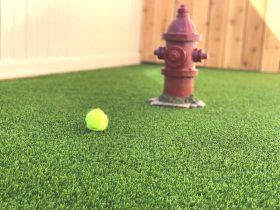
A well-designed dog park featuring synthetic turf allows for safe and enjoyable play for pets. The turf provides a dry, clean area devoid of mud and puddles, making it a popular spot for dog owners.
Fitness Zones
Including outdoor workout stations designed with artificial turf allows residents to engage in fitness activities in a comfortable and safe environment. Turf softens the ground, making exercises and stretching more enjoyable.
Designing Parks with Turf in Mind
Creating an effective multi-use park begins with a thoughtful design that incorporates turf. Here are some steps to consider:
-
Community Input: Involve local residents in the planning process to identify the activities they want their parks to support. This ensures the design will meet community needs, fostering ownership and pride in the park.
-
Zoning: Designate areas within the park for specific activities, ensuring adequate space for each feature. This zoning creates a structured environment while allowing for flexibility.
-
Accessibility: Ensure that all park features, including turf areas, are accessible to everyone, including those with disabilities. This inclusion is vital for promoting equal use among community members.
-
Sustainable Practices: Use environmentally friendly materials and practices in the installation and maintenance of turf. Synthetic turf products, like those offered by Integriturf, are designed to be eco-friendly, reducing water waste and minimizing upkeep.
-
Integration with Nature: Encourage the use of native plants and natural elements alongside turf areas. This integration creates a balanced ecosystem, enhancing both aesthetics and biodiversity.
Frequently Asked Questions
What are the advantages of using synthetic turf in parks?
Synthetic turf provides a safer play environment, requires less maintenance, is adaptable for multiple activities, and enhances the park’s visuals.
How can turf improve environmental sustainability?
By reducing water use and eliminating the need for harmful chemical treatments, turf can help parks maintain their beauty while being environmentally responsible.
Are there specific design concepts for integrating turf into urban parks?
Yes, design concepts for pet-friendly urban parks using synthetic grass can maximize space usability and provide aesthetic appeal.
How can I create inviting neighborhood features using turf?
For ideas and inspiration on creating engaging features in your community, check out our page on creating engaging neighborhood features using tactical turf applications.
Conclusion
Creating multi-use park features that embrace turf for functionality represents a forward-thinking approach to urban space design. By integrating synthetic turf, parks can become dynamic environments that cater to diverse community needs while promoting safety, sustainability, and beauty. The future of park design lies in these innovative solutions, paving the way for impactful community spaces that benefit everyone. Embrace the potential of turf in your local parks today and witness the transformation firsthand! For more innovative ideas on functional community spaces, visit us at Integriturf.