Glossary
Does Artificial Turf Drain Well? Understanding the Benefits of Superior Drainage
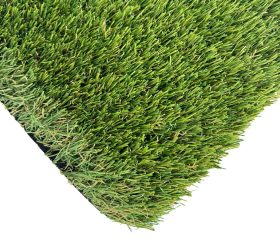
When considering the installation of artificial turf, a common question arises: does artificial turf drain well? Understanding the drainage capabilities of synthetic grass is essential not only for maintaining an appealing and functional landscape but also for ensuring that the turf performs optimally in various weather conditions. In this article, we’ll explore how artificial turf is designed for drainage, the benefits of having an effective drainage system, and what you need to know before making a purchase.
Why Drainage Matters for Artificial Turf
The Importance of Effective Drainage
Proper drainage is crucial for any landscaping solution, especially for areas that receive heavy rainfall or frequent watering. Well-draining artificial turf offers several benefits:
- Prevents Puddling: Efficient drainage allows water to pass through quickly, eliminating puddles that can lead to muddy patches.
- Enhances Durability: Excess water can damage the underlying materials, but good drainage helps maintain the integrity of the turf.
- Promotes Safe Play Areas: For playgrounds and sport areas, effective drainage ensures a safe environment, reducing the risk of slips and falls.
How Does Artificial Turf Drain?
Artificial turf is designed with drainage in mind. The typical components that contribute to effective drainage include:
- Perforated Backing: Most high-quality synthetic grass products have a perforated backing, allowing water to pass through easily.
- Infill Materials: Many types of infill are specifically chosen not only for cushioning and stability but also for their ability to enhance drainage.
- Base Layers: A well-constructed base layer made of crushed stone or gravel allows for proper water filtration and helps to manage the runoff away from the turf.
Evaluating Drainage Capabilities
Factors Affecting Drainage Efficiency
While artificial turf is designed for excellent drainage, several factors can influence its effectiveness:
- Installation Quality: Proper installation is vital. A poorly installed system may lead to drainage issues. For the best results, consult with experienced professionals. Consider our comprehensive guide on how to apply turf adhesive to ensure your turf is installed correctly.
- Type of Turf: Different types of artificial grass have varying drainage capabilities. Choosing the right product for your needs is essential. Explore our collection of synthetic turf options for specific use cases.
- Site Conditions: The overall grading and soil conditions of your installation site can affect drainage efficiency. Be sure to assess these factors beforehand.
Real-World Performance
Many users report that artificial turf exhibits superior drainage when installed correctly. Case studies have shown that well-drained turf can handle approximately 30 inches of rain per hour, which is often more than sufficient for most environments.
Benefits of Choosing High-Quality Artificial Turf
Advantages of Superior Drainage
Investing in premium artificial grass comes with the added certainty of effective drainage:
- Maintenance Reduction: Less standing water means fewer maintenance concerns related to mold and algae, making your outdoor space cleaner and more inviting.
- Longevity: Quality turf can withstand weather extremes, which helps extend its lifespan and performance.
- Versatility: Artificial grass with excellent drainage is suitable for various applications, from residential lawns to artificial grass for carport areas.
Frequently Asked Questions
Does artificial turf need drainage?
Yes, while artificial turf is designed to allow water to drain effectively, having a proper drainage system in place enhances performance and longevity.
Can I install artificial turf in a wet area?
Yes, as long as the installation is done correctly with the appropriate infill and base layers, artificial turf can perform well in areas with high moisture levels.
What happens if water stands on artificial turf?
Standing water can lead to issues like mold growth or ruin the aesthetics of your landscape. Proper drainage is essential to prevent these problems.
Is synthetic turf cost-effective with drainage in mind?
Absolutely. Synthetic turf offers long-term savings by reducing the need for water and maintenance while providing an immediate aesthetic upgrade. For a cost comparison, check out our article on synthetic turf vs. paver patio costs.
In conclusion, does artificial turf drain well? The answer is a resounding yes, provided you choose high-quality materials and ensure proper installation. With the numerous benefits offered by artificial grass, including efficient drainage, it’s an investment worth considering for both commercial and residential properties. For more information on our turf options, you can visit our why buy turf from a local supplier page to learn more about how we can help you make the best choice for your turf needs.