Glossary
Drought Resistant Lawn Alternative: A Sustainable Solution for Your Landscape
As climate change continues to impact weather patterns globally, many homeowners are searching for effective ways to maintain their lawns while conserving water. A drought resistant lawn alternative provides an innovative solution that not only enhances the aesthetic appeal of your outdoor space but also contributes to sustainable living.
Understanding Drought Resistant Lawn Alternatives
Drought resistant lawn alternatives encompass a range of landscaping options designed to thrive in arid conditions without requiring excessive watering. These alternatives can effectively replace traditional grass lawns, ensuring a lush and vibrant appearance year-round.
What Are Drought Resistant Alternatives?
Drought resistant alternatives include various types of low-water-use plants, ground covers, and synthetic turf options. These solutions minimize the need for irrigation while creating an attractive outdoor space.
- Native Plants: Flora that naturally grows in your region typically requires less water and can withstand dry spells.
- Ground Covers: Low-growing plants such as clover or sedum can create a beautiful, green carpet without the extensive water requirements of traditional grass.
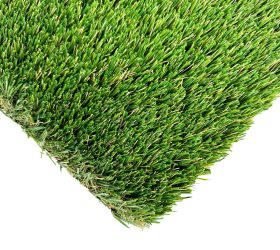
- Synthetic Turf: An increasingly popular choice, synthetic turf mimics the aesthetics of natural grass without the maintenance and irrigation demands. Explore how synthetic turf can be a game changer in water conservation.
Benefits of Choosing a Drought Resistant Lawn Alternative
Opting for a drought resistant lawn alternative offers numerous benefits, including:
- Water Conservation: Reduces the amount of water needed for maintenance, significantly benefiting areas facing water restrictions.
- Low Maintenance: Many alternatives require minimal upkeep, allowing you more leisure time and less worry about lawn care.
- Cost Savings: Lower water bills and reduced maintenance costs translate to significant savings over time.
- Environmental Impact: Conserving water aligns with sustainable practices and minimizes environmental footprints.
Why Choose Synthetic Turf as a Drought Resistant Lawn Alternative?
Synthetic turf stands out as a leading solution for homeowners seeking a drought resistant lawn alternative.
- Durability: Designed to withstand heavy foot traffic and diverse weather conditions, it lasts for years without degradation.
- Aesthetic Appeal: Advances in technology have produced synthetic grass that closely resembles natural varieties, providing a spectacular green lawn all year round.
- No Water Required: Synthetic turf eliminates the need for watering, making it the ideal choice for water-conscious homeowners.
Discover how synthetic turf contributes to drought resilience in landscaping.
How to Transition to a Drought Resistant Lawn Alternative
Making the switch to a drought resistant lawn alternative involves a few simple steps:
- Assess Your Landscape: Analyze your yard to determine the best alternatives for your specific conditions.
- Research Options: Compare native plants, ground covers, and synthetic turf to see which suits your style and budget.
- Plan Your Layout: Design a landscaping plan that integrates your chosen drought resistant elements cohesively.
- Prepare the Area: Clear existing grass or weeds and level the ground if you’re installing synthetic turf.
- Install Your Alternative: Follow installation guidelines for plants or synthetic turf to ensure optimal results.
Frequently Asked Questions
What are the best drought resistant lawn alternatives?
The best drought resistant lawn alternatives include native plants like succulents, ground cover plants such as clover, and synthetic turf for a maintenance-free solution.
How can I save water in my lawn care?
Implementing drought tolerant landscaping, using mulch, and installing drip irrigation systems are effective strategies to save water while maintaining your lawn.
Can synthetic turf withstand heavy use?
Yes, synthetic turf is engineered for durability and can endure heavy foot traffic, making it suitable for active households or commercial properties.
What should I consider before switching to synthetic turf?
Consider factors such as upfront costs, expected lifespan, aesthetics, and how well it complements your current landscaping goals.
How does synthetic turf contribute to water savings?
By replacing natural grass with synthetic turf, homeowners eliminate the need for irrigation, which significantly reduces overall water consumption.
Transitioning to a drought resistant lawn alternative not only addresses the water conservation challenge but also enhances the beauty of your outdoor space. Explore the numerous advantages and options available today to create a landscape that is both environmentally friendly and visually appealing. For more information on transforming your yard sustainably, visit our guide on water-saving lawn replacements.