Glossary
Factors for Selecting Heavy-Duty Synthetic Turf for Durability
When investing in synthetic turf, particularly for high-traffic areas, it is crucial to understand the factors for selecting heavy-duty synthetic turf for durability. The right turf can withstand harsh conditions while maintaining its aesthetic appeal and functionality. This guide will provide you with essential factors to consider, ensuring you make an informed decision.
Understanding Heavy-Duty Synthetic Turf
Heavy-duty synthetic turf is specifically designed for durability and resilience. It is made to endure significant wear and tear, making it ideal for sports fields, playgrounds, and commercial landscapes. Before diving into specific factors, it’s important to grasp the basic concepts surrounding synthetic turf.
Key Characteristics of Heavy-Duty Turf
- High-Quality Materials: Made from durable polyethylene or nylon fibers that can resist fading and damage.
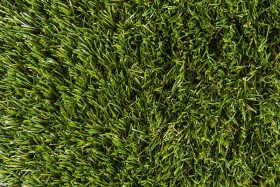
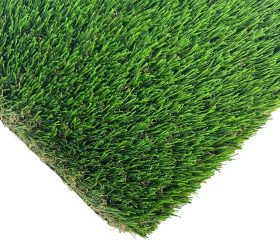
- Dense Pile Height: Thicker fibers provide better support and cushion for high foot traffic areas.
- Strong Backing System: Reinforced backing ensures that the turf maintains its integrity under pressure.
Factors to Consider for Durability
When selecting heavy-duty synthetic turf, several factors play a pivotal role in ensuring long-lasting performance. Below are the key elements to examine:
1. Material Composition
One of the primary factors for selecting heavy-duty synthetic turf for durability is the type of materials used. Synthetic turf can be made from various materials, but polyethylene and nylon are the most popular for heavy-duty applications.
- Polyethylene: Known for its softness and natural appearance, making it suitable for residential and commercial sectors.
- Nylon: A more robust option, ideal for high-traffic areas like sports fields, as it can handle extensive use.
2. Pile Height and Density
The pile height refers to the length of the grass blades, while density measures how closely the blades are packed. For durability, look for:
- Optimal Pile Height: Generally, a pile height between 1.5 to 2.5 inches is ideal for heavy-duty turf.
- High Density: A density of 80 ounces or more can significantly improve the durability of the turf, preventing matting and wear.
3. UV Stability
Synthetic turf is often exposed to harsh sunlight, leading to potential fading and damage. Choosing turf with UV protection is essential to ensure longevity. Look for:
- UV-Inhibited Fibers: This technology helps to resist fading and degradation due to sun exposure.
4. Drainage Capabilities
Efficient drainage systems are vital for maintaining the turf’s durability. Consider options with effective drainage features to prevent water accumulation, which could lead to mold or damage. Effective drainage should:
- Prevent Waterlogging: Ensure that water flows away swiftly from the surface.
- Minimize Maintenance: Proper drainage reduces the need for excessive cleaning or maintenance.
5. Weight and Thickness of the Turf
Heavier and thicker turf often equates to higher durability. Consider:
- Weight: Turf weighing over 60 ounces is generally more durable for high-traffic areas.
- Thickness: A thicker product tends to be more resilient against wear and tear.
6. Installation Method
The installation process can significantly affect the longevity of synthetic turf. Proper installation techniques should include:
- Using a Quality Base Layer: Ensure the base is installed correctly to provide stable support.
- Professional Installation: Opt for experienced installers to enhance quality assurance.
For more information on installation, check out our resource on synthetic grass installations.
Benefits of Choosing Durable Synthetic Turf
Investing in heavy-duty synthetic turf offers various benefits, including:
- Low Maintenance: Synthetic turf requires minimal upkeep compared to natural grass.
- Versatility: Suitable for multiple applications, including residential, commercial, and sports venues.
- Consistency in Appearance: Provides a lush green look year-round, regardless of weather conditions.
FAQs About Heavy-Duty Synthetic Turf Durability
What are the best materials for heavy-duty synthetic turf?
The best materials include polyethylene for its softness and nylon for robustness, particularly in high-traffic areas.
How do I ensure my synthetic turf lasts longer?
Selecting durable materials, ensuring proper installation, and maintaining the turf can significantly enhance its lifespan. Regular cleaning and adhering to maintenance tips will also help.
Is heavy-duty synthetic turf suitable for pets?
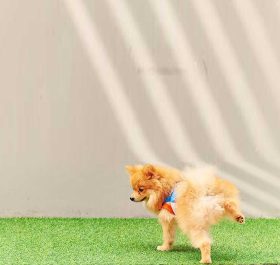
Yes! Many heavy-duty synthetic turfs are designed to be pet-friendly, offering durability and easy cleaning.
Can heavy-duty synthetic turf withstand extreme weather?
While heavy-duty turf is built for resilience, it’s essential to choose UV-resistant options to combat fading and ensure longevity.
For a deeper understanding of the various aspects that contribute to the durability of synthetic turf, explore our insights on artificial grass performance and the importance of quality design.
Conclusion
Selecting heavy-duty synthetic turf involves evaluating multiple factors that impact its durability. By understanding material composition, pile height, UV stability, and drainage capabilities, you can make a sound investment in synthetic turf that will stand the test of time. For quality assurance, always consider using reputable installers and products, ensuring you receive the best performance from your synthetic turf. Taking the time to understand these factors will lead to an informed decision that meets your needs for both functionality and longevity.