Glossary
How Artificial Turf Performs in Spring
As spring arrives, many homeowners and business owners inquire about how artificial turf performs in spring. This synthetic grass option offers numerous benefits during this vibrant season, ensuring that landscapes maintain their beauty without the hassle of natural grass upkeep. With the warmer weather and increased rainfall, understanding the performance of artificial turf is crucial for maximizing its advantages.
The Advantages of Artificial Turf in Spring
1. High Resilience to Weather Changes
Spring often brings unpredictable weather patterns, including heavy rain and fluctuating temperatures. One of the primary attributes of artificial turf is its resilience to these changes. It effectively drains excess water, preventing muddy patches and puddles that can make natural lawns unusable.
- Quick Drainage: Designed with perforated backing, artificial turf allows for rapid water drainage.
- Flood Resistance: Maintains functionality even during heavy spring rains.
2. Flourishing Aesthetics
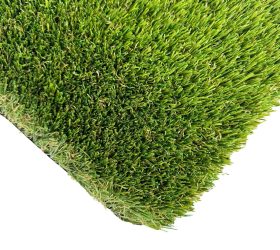
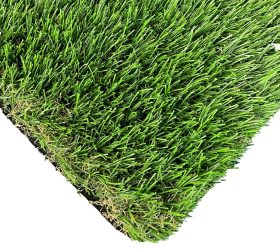
Artificial turf remains lush and vibrant throughout the spring months, offering a consistently green space for both recreational and aesthetic purposes. Unlike natural grass, which may suffer from winter damage or pests, synthetic grass stands up to the elements and retains its appeal.
- No Yellow Patches: Artificial grass stays green without the risk of seasonal browning.
- Consistent Texture: Delivers a soft, uniform surface ideal for activities and relaxation.
3. Low Maintenance Needs
One of the highlights of choosing artificial turf is the minimal maintenance required, particularly during the spring.
- No Mowing: Eliminate the need for lawnmowers, saving time and resources.
- Less Watering: Artificial turf requires drastically less watering compared to traditional grass, making it environmentally friendly during this rainier season.
Performance Factors of Artificial Turf in Spring
Temperature Regulation
As spring weather can vary widely, artificial turf is engineered to handle temperature fluctuations effectively. While natural grass can heat up and become uncomfortable, synthetic grass reflects sunlight more efficiently, providing a cooler surface.
Avoiding Pests and Weeds
During the spring, natural lawns often attract pests and weeds. In contrast, artificial turf offers a pest-free environment.
- Resistant to Weeds: Our synthetic grass reduces the chance of weed growth, allowing for easier spring maintenance.
- No Fertilization Required: Unlike natural grass, artificial turf does not require chemical treatments, making it safer for children and pets.
Safe and Functional Play Areas
For families with children and pets, spring is a time of outdoor play. Artificial turf provides a safe, cushioned surface for recreational activities.
- Shock Absorbent: Made with soft materials, it helps to prevent injuries during play.
- Pet-Friendly Options: Our artificial turf for pets is specifically designed for furry friends, ensuring their enjoyment without damage to the surface.
Preparing Your Artificial Turf for Spring
Regular Cleanup
Although artificial turf requires less maintenance, keeping it clean enhances its performance and longevity.
- Remove Debris: Rake away leaves and branches to maintain aesthetics.
- Hose Down the Surface: This helps to eliminate dirt and allergens.
Evaluate Durability
As spring progresses, it’s good practice to regularly assess the condition of your artificial turf.
- Check for Damage: Look for any tears or transitions that might require repair.
- Review Drainage System: Make sure that water flows freely through the turf to avoid pooling.
For in-depth guidelines on how to maintain your synthetic grass, explore our comprehensive evaluation of artificial turf.
Creative Landscaping Ideas in Spring
In spring, artificial turf opens up various landscaping opportunities. You can create specific zones in your yard that beautifully blend with natural elements.
- Lush Gardens: Surround artificial turf with vibrant flowers for a striking contrast.
- Outdoor Living Spaces: Use artificial grass as a soft base near patios or decks to enhance outdoor relaxation.
Discover more helpful tips and inspiration in our resource on landscaping ideas using artificial grass.
Frequently Asked Questions
How does artificial turf handle heavy rain during spring?
Artificial turf is designed with excellent drainage capabilities, allowing for efficient water passage, preventing flooding or pooling.
Is artificial turf hot in spring?
While natural grass can retain heat, artificial turf is designed to reflect sunlight improving comfort during warmer spring days.
Can my pets use artificial grass in spring?
Absolutely! Our specially formulated artificial turf for pets is safe and durable, making it perfect for outdoor play.
How can I secure turf edges for the spring season?
It’s essential to secure turf edges to maintain a neat appearance. For assistance, check out our guide on safely securing turf edges.
Conclusion
In summary, understanding how artificial turf performs in spring helps homeowners and business owners make the most of this robust synthetic option. As you enjoy the beauty and functionality of artificial grass, take advantage of its low maintenance, durability, and safety features, making it an excellent choice for any outdoor environment. For more information on installation and maintenance, check our turf delivery options tailored for your needs.