Glossary
How Community Gardens Benefit from Using Artificial Grass in Layouts
Community gardens play an essential role in urban environments, providing green spaces that promote sustainability, wellness, and community engagement. One innovative solution that enhances these gardens is the use of artificial grass. This article explores how community gardens benefit from using artificial grass in layouts, highlighting its advantages and applications.
The Importance of Community Gardens
Community gardens not only beautify neighborhoods but also contribute significantly to environmental awareness and social interaction. These spaces allow residents to grow their own food, connect with nature, and foster community spirit.
Types of Community Gardens
- Vegetable Gardens: Focused on producing edible crops.
- Flower Gardens: Aimed at beautification and attracting pollinators.
- Herb Gardens: Concentrating on culinary and medicinal properties.
Advantages of Community Gardens
- Promote Sustainability: Encourage local food production and biodiversity.
- Enhance Mental Health: Foster social connections and reduce stress.
The Role of Artificial Grass in Community Gardens
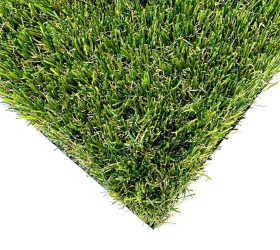
Artificial grass, or synthetic grass, is an increasingly popular choice for community gardens due to its numerous benefits. It offers practical solutions to common challenges faced in these communal spaces.
Key Benefits of Using Artificial Grass
-
Low Maintenance Requirements
- Artificial grass eliminates the need for mowing, watering, and fertilizing.
- Significantly reduces the cost and time involved in maintaining natural grass.
-
Durability and Longevity
- Withstands wear and tear from foot traffic, pets, and weather conditions.
- Maintains its vibrant appearance for many years, making it a cost-effective choice.
-
Environmental Sustainability
- Reduces water consumption dramatically, ideal for areas prone to drought.
- Free from pesticides and fertilizers, contributing to a healthier ecosystem.
-
Versatile Applications
- Can be used in various layouts, from pathways to play areas, allowing for flexibility in design.
- Complements natural plants and flowers, enhancing the overall aesthetic of the garden.
-
Safety Features
- Soft and cushioned surface reduces the risk of injuries.
- Ideal for children and pets, providing a safe play environment.
Designing Community Gardens with Artificial Grass
When integrating synthetic grass into community garden layouts, several design aspects should be considered for maximum benefit.
Elements of Design
- Pathways: Use artificial grass to create defined pathways that guide visitors through the garden.
- Seating Areas: Incorporate synthetic grass around benches or seating areas to create comfortable social spaces.
- Play Areas: Protect children’s play zones with soft artificial turf, ensuring safety and fun.
For a deeper dive into how to effectively incorporate artificial grass into your garden layouts, check out our article on designing elements of a community garden that utilize synthetic grass seamlessly.
Community Engagement Through Design
Involving locals in the design process of community gardens can lead to increased ownership and pride. Encourage community members to share ideas or take part in planting sessions, enhancing connections within the community.
Learn more about fostering relationships in your neighborhood by visiting our page on creating meaningful connections with community through artificial grass installations.
Comparing Traditional Grass with Artificial Turf
Maintenance Comparison
| Feature | Natural Grass | Artificial Grass |
|---|---|---|
| Watering | Requires regular watering | No watering needed |
| Mowing | Needs frequent mowing | Never needs mowing |
| Fertilizing | Needs regular fertilization | No fertilization required |
| Pest Control | May require pesticides | No pests to manage |
Cost Analysis
Investing in artificial grass may have a higher upfront cost but often saves money in the long run due to lower maintenance costs.
Frequently Asked Questions
How does artificial grass benefit community gardens?
Artificial grass benefits community gardens by reducing maintenance, conserving water, and providing a safe environment for activities and gatherings.
What are the environmental advantages of synthetic grass?
Using synthetic grass eliminates the need for chemical fertilizers and pesticides, leading to a healthier ecosystem and significant water savings.
Can artificial grass be used in all types of garden designs?
Yes, synthetic grass is versatile and can be integrated into various garden layouts, including pathways, seating areas, and play zones.
Conclusion
Incorporating artificial grass into community gardens not only enhances their beauty but also supports sustainability and community engagement. With minimal maintenance and numerous practical benefits, artificial grass is an ideal solution for urban gardens striving for efficiency and sustainability. To explore more about the positive impact of artificial turf in community spaces, visit our page on the benefits of using artificial grass for public gathering spaces.
Explore additional insights on sustainable practices in turf applications and learn how your community garden can thrive through innovative landscaping. Read more on utilizing sustainable practices in turf applications for community gardens.