Glossary
Landscaping Properties Using Turf to Enhance Modern Living Functionality
In today’s rapidly evolving world, landscaping properties using turf to enhance modern living functionality has gained significant momentum. With urban areas constantly expanding and outdoor spaces becoming more valued, synthetic turf offers unique benefits that cater to various needs. Discover how integrating turf into your landscape design not only beautifies your environment but also improves the functionality of your living spaces.
The Benefits of Using Turf in Modern Landscaping
1. Low Maintenance Requirements
One of the most notable benefits of synthetic turf is its low maintenance requirements. Unlike natural grass, artificial turf does not need regular mowing, watering, or fertilization. This translates into significant cost savings and time efficiency for homeowners and property managers alike.
2. Year-Round Greenery
Synthetic turf maintains its verdant appearance throughout the year. No matter the climate or seasonal changes, you can enjoy a lush, green landscape without the worry of browning grass during droughts or winter months. This characteristic makes turf ideal for both residential and commercial properties.
3. Enhanced Outdoor Living Spaces
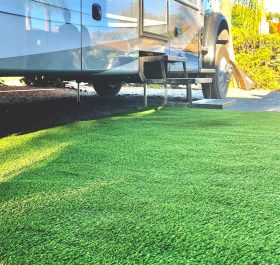
With the proper landscaping properties, turf enhances your outdoor living spaces, creating inviting areas for relaxation and socialization. From backyard barbecues to family gatherings, synthetic grass provides a soft, cushioned environment perfect for family interactions.
Designing Modern Landscapes with Turf
Integrating Turf into Your Landscape Design
When you consider landscaping properties using turf to enhance modern living functionality, it’s essential to plan your design meticulously. Here are several strategies for effective integration:
- Zoning: Delineate spaces within your yard by combining turf with different materials such as paving stones, flower beds, or shrubs.
- Color Harmony: Ensure your turf complements surrounding plants or decor, contributing to an aesthetically pleasing environment.
- Functional Areas: Design spaces that cater to specific needs. Consider creating vibrant play spaces for children or serene areas for relaxation. These can be inspired by our guide on creating vibrant play spaces designed for safety using artificial grass.
Applications for Commercial Properties
The advantages of synthetic turf extend beyond residential use. Businesses increasingly leverage turf to create inviting atmospheres. For example:
- Restaurants can enhance outdoor dining areas by implementing turf, providing a fresh and natural ambiance. Visit our page on designing inviting restaurants with turf to learn more about such applications.
- Urban plazas and public gathering spaces benefit from soft turf that improves comfort and encourages community interaction.
Enhancing Community Spaces with Turf
Beyond individual properties, landscaping properties using turf has a broader community impact:
- Environmental Benefits: Synthetic turf helps combat soil erosion, reduces water usage, and aids in waste management.
- Accessibility: Parks and communal areas made from turf support all ages and abilities, providing safe environments for recreation and exercise. Check out our insights on how to enhance community spaces with turf.
Frequently Asked Questions
What is synthetic turf made of?
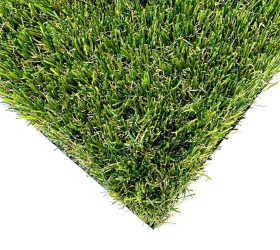
Synthetic turf is comprised of grass-like fibers made from materials such as polyethylene or polypropylene, designed to mimic real grass while offering added durability and functionality.
How long does synthetic turf last?
Quality synthetic turf can last up to 15-20 years or more with proper care and maintenance, making it a long-term investment for any property.
Is artificial grass safe for children and pets?
Yes, modern synthetic turf is designed to be safe for children and pets, as it is often made with non-toxic materials and provides a soft surface for play.
Can synthetic turf improve property value?
Yes, well-designed landscapes that incorporate synthetic turf can enhance curb appeal and potentially increase property value, making it a smart investment for homeowners.
How does artificial grass compare to natural grass?
Artificial grass requires less maintenance, retains its color year-round, and is more environmentally friendly, limiting the need for water and chemicals that are essential for maintaining natural grass.
Conclusion
Utilizing landscaping properties using turf to enhance modern living functionality can significantly elevate your outdoor experience. From creating low-maintenance, aesthetically pleasing environments to boosting community engagement and sustainability, the benefits are both practical and impactful. With endless possibilities for design and application, synthetic turf stands as a leading solution for modern landscaping needs. Consider exploring our resources and embarking on a journey to transform your landscape today.