Glossary
Matching Colors of Turf with Landscape Aesthetics
Creating a visually appealing landscape relies heavily on the effective integration of color, including the colors of turf. Matching colors of turf with landscape aesthetics is essential for enhancing the overall appearance and functionality of outdoor spaces. This guide explores how to choose the right colors for synthetic turf and its role in transforming residential and commercial properties.
Understanding the Role of Color in Landscapes
When it comes to landscaping, color sets the tone and mood of a space. The colors of plants, flowers, and turf can either complement or clash with each other, influencing how a landscape is perceived.
Importance of Color Harmony
- Visual Appeal: Well-matched colors draw attention and create a cohesive look.
- Emotional Impact: Certain colors evoke emotions; for instance, greens are calming while bright colors can energize.
- Functional Considerations: The right colors can help direct focus to specific areas, enhancing usability.
Choosing the Right Turf Color
Selecting the right color for synthetic turf involves understanding the space’s overall design and aesthetic objectives. Here are several factors to consider:
1. Assess Your Existing Elements
Before deciding on a turf color, evaluate the existing landscape features:
- Plant Varieties: Take note of the colors and textures of existing plants. Greens usually work well with flora, but consider how darker or lighter shades can create contrast.
- Hardscapes: If your landscape includes patios, pathways, or fences, determine how turf colors will interact with these surfaces.
2. Consider the Purpose of the Space
Different spaces may require different color schemes:
- Play Areas: Brightly colored turf can create an inviting environment for children. Learn more about sustainable playground designs that maximize fun and safety.
- Meditation Gardens: Soft greens or muted turfs can promote relaxation and tranquility.
- Commercial Spaces: Choose colors that enhance brand identity, complementing logos or company colors for an effective aesthetic.
3. Explore Color Combinations
Combining different turf colors can yield stunning visual effects:
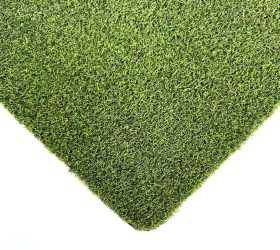
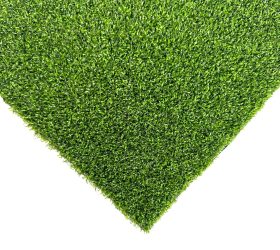
- Natural Blends: Turf with mixtures of green shades can mimic natural grass and create a seamless look.
- Bold Contrasts: Mixing turf colors with bolder, brighter tones can make focal points within a landscape stand out.
- Textural Variations: Layering different texts can add depth to the landscape, making it more dynamic.
Practical Tips for Matching Colors
When matching the colors of turf with landscape aesthetics, keep these practical tips in mind:
- Color Samples: Always use turf samples on-site to see how colors look under varying light conditions.
- Surrounding Flowers: Ensure the turf color harmonizes with the flowers and plants that bloom throughout the year.
- Climate Influence: Bright colors may fade faster in sunny climates, so opt for UV-stabilized options for longevity.
Psychological Effects of Color
The psychology of color plays a vital role in how we perceive spaces. Here’s how different shades can influence feel:
- Green Turf: Representing tranquility and nature, it’s perfect for relaxing environments.
- Blue Shades: Promoting calmness, they are ideal for spaces meant for leisure.
- Yellow or Orange Accents: Energizing and fun, these colors can be effective in play areas.
Installing Synthetic Turf with Aesthetic Appeal
Proper installation of synthetic turf not only enhances aesthetics but also contributes to performance and sustainability.
Key Installation Guidelines
- Site Preparation: Clear the area of debris and level the ground for a smooth finish.
- Choosing the Right Infills: Select infill materials that match your turf color and complement your landscape design.
- Edge Finishing: Employ effective border edging ideas to define spaces and enhance cleanup.
Long-term Maintenance
Maintaining the vibrant color of synthetic turf is essential for aesthetic retention:
- Regular Cleaning: Keep the turf free of debris and dirt.
- Periodic Grooming: Brush the turf to restore its upright position and appearance.
Enhancing Aesthetics Through Design
For a more comprehensive approach to landscaping, consider designing residential landscapes with turf that incorporate various design elements. This approach allows for the integration of innovative landscaping techniques that improve aesthetics and functionality.
Frequently Asked Questions (FAQs)
What colors of turf are best for my landscape?
The best colors depend on your existing plants, hardscapes, and the intended use of the space. Soft greens and natural blends often provide a timeless appeal.
Can colored turf fade in sunlight?
Yes, synthetic turf can fade in direct sunlight if it is not UV-stabilized. Choosing high-quality products can mitigate this risk.
How can I combine different turf colors?
Consider using different shades to create patterns or zoning within your landscape. Consulting with a turf professional can enhance this design aspect.
Is synthetic turf suitable for all climates?
Yes, synthetic turf is designed to be durable and weather-resistant, making it suitable for a variety of climates.
Conclusion
Matching colors of turf with landscape aesthetics is essential for achieving a cohesive appearance that enhances the intrinsic beauty of outdoor spaces. By considering existing elements, space purposes, and effective installation techniques, homeowners and designers can create stunning landscapes that are both functional and visually pleasing. Explore more about enhancing outdoor aesthetics with artificial grass and elevate your landscape to new heights with Integriturf.