Glossary
Turf for Poor Drainage Yard: The Ultimate Solution for Your Landscaping Challenges
Managing a yard with poor drainage can be a significant headache for homeowners. Muddy patches, standing water, and dead grass are frequent issues. However, integrating the right turf for poor drainage yards can transform your outdoor space while eliminating drainage problems. This article will explore the ideal synthetic turf solutions designed to combat drainage woes and enhance the aesthetic appeal of your property.
Understanding Poor Drainage Issues
What Causes Poor Drainage?
Poor drainage often results from the following factors:
- Soil Type: Clay soils retain water better than sandy soils, leading to puddles and soggy areas.
- Topography: Low spots in your yard can create natural basins for water accumulation.
- Landscaping Choices: Improper vegetation or hardscapes can block water flow, worsening drainage issues.
To resolve these problems, consider installing high-quality synthetic grass that promotes proper water management.
Benefits of Synthetic Turf for Poor Drainage Yards
Opting for turf for poor drainage yards comes with numerous advantages:
1. Improved Drainage Capabilities
Modern synthetic grasses are engineered with advanced drainage systems that allow water to permeate quickly. This feature helps to:
- Reduce standing water on the surface.
- Minimize mud accumulation, providing a cleaner outdoor space.
- Promote healthy ground conditions, enhancing soil aeration.
2. Low Maintenance Requirements
Artificial turf significantly cuts down on maintenance tasks such as mowing, watering, and fertilizing. This benefit not only saves you time but also reduces ongoing costs related to lawn care.
3. Enhanced Aesthetic Appeal
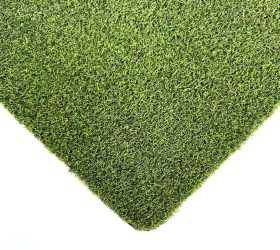
With a range of colors and textures, synthetic turf can mimic the lush appearance of natural grass. By selecting the right product, you can create a visually appealing landscape that withstands various weather conditions.
4. Eco-Friendly Solution
Installing turf can assist in water conservation efforts, especially crucial for homes facing persistent droughts. This makes it an ideal choice for environmentally conscious homeowners seeking eco-friendly landscaping alternatives. You can learn more about this by exploring our commercial turf water conservation incentives.
Types of Turf Suitable for Poor Drainage Yards
When selecting turf for poor drainage yards, consider the following types:
1. Quick Draining Turf
Specifically designed for drainage, this turf type allows water to filter through rapidly. It’s an excellent solution for areas with significant rainfall or frequent puddling. Check out our detailed information about quick draining pet area turf for its unique benefits.
2. Thicker Pile Grass
Turf with a thicker pile height tends to retain less water thanks to its structure. This not only allows quicker drainage but also makes for a comfortable walking surface.
3. Specialized Drainage Systems
Some synthetic turfs come with built-in drainage grids that direct water away from your yard effectively, ensuring minimal water retention.
Installation Process for Synthetic Turf
Step 1: Assess Your Yard
Start by evaluating your yard’s drainage issues. Determine areas where water tends to collect and consider adjusting the landscape.
Step 2: Prepare the Site
- Clear the area of any existing grass and debris.
- Level the ground to create a proper base for drainage.
Step 3: Install Drainage Systems
Incorporate drainage pipes or gravel where needed, enhancing your yard’s ability to channel water away effectively.
Step 4: Lay the Turf
- Roll out the synthetic turf, ensuring it fits snugly against the landscape.
- Secure the turf with stakes or adhesive as recommended.
Step 5: Regular Maintenance
Even though synthetic turf requires less maintenance than natural grass, a light cleaning every few months can keep it looking fresh and welcoming.
Frequently Asked Questions
How does synthetic turf handle heavy rainfall?
Synthetic turf products typically include drainage technology that enables quick water disposal, preventing lawn flooding and enhancing the yard’s functionality.
Is synthetic turf safe for pets?
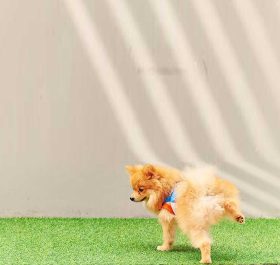
Most modern synthetic turfs are designed to be pet-friendly, allowing for drainage and easy cleaning. Explore our page on artificial turf for mobile homes for additional insights.
Can I install synthetic turf myself?
While DIY installation is possible, hiring professionals can ensure optimal performance and longevity of your synthetic turf.
By choosing the right turf for a poor drainage yard, you can significantly improve your outdoor living experience. Not only does it resolve persistent water issues, but it also provides a beautiful, maintenance-free lawn. Discover our artificial turf for new construction options to see how we can help you transform your landscape today. Explore our artificial turf wholesale in San Marcos for high-quality, cost-effective solutions tailored to your needs.