Glossary
Turf Installation on Sandy Soil: A Comprehensive Guide
Installing turf on sandy soil presents unique challenges and opportunities. Whether you aim for a lush lawn or a practical play area, understanding the specific needs related to sandy substrates is crucial for success. This guide will help you navigate the process, ensuring your turf thrives.
Understanding Sandy Soil
Sandy soil is characterized by its coarse texture, large particle size, and excellent drainage capabilities. While these traits offer benefits such as quick moisture release and flexibility in irrigation, they can also hinder turf growth if not managed properly.
Benefits of Sandy Soil for Turf
- Drainage: Sandy soil allows for rapid water drainage, reducing the risk of pooling and disease.
- Aeration: The loose structure promotes airflow, which is beneficial for root development.
- Warmth: Sandy soils warm up faster in spring, allowing for earlier growth.
However, the very traits that contribute to these benefits can also pose a challenge. The rapid drainage can lead to nutrient leaching, requiring careful planning during turf installation.
Step-by-Step Guide to Turf Installation on Sandy Soil
Step 1: Assess Your Site
Before you embark on turf installation, evaluate your sandy soil conditions. This includes:
- Soil Testing: Check pH and nutrient levels to understand what amendments may be necessary.
- Drainage Assessment: Observe how water interacts with the soil—does it drain too quickly?
Step 2: Amend the Soil
To enhance your sandy soil’s ability to support turf, consider incorporating organic matter and soil amendments, such as:
- Compost: Adds nutrients and improves water retention.
- Peat moss: Enhances soil structure and moisture retention.
Mix these amendments thoroughly into the top 4-6 inches of soil to create an optimal growing environment for your turf.
Step 3: Choose the Right Turf
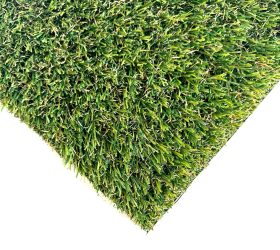
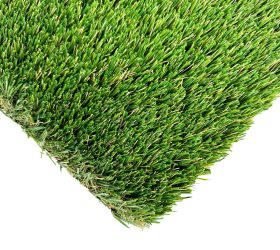
Selecting the appropriate type of synthetic turf is crucial for successful installation on sandy soil. Look for varieties specifically designed to thrive in your climatic conditions. For example, you may want to explore options focused on durability and drought resistance.
For an in-depth look at selecting the right type of turf for your needs, check out our guide on selecting proper turf.
Step 4: Install the Turf
Follow these steps for efficient turf installation on sandy soil:
- Prepare the Area: Clear any debris, rocks, or old grass.
- Level the Surface: Ensure a smooth, even surface to prevent water pooling.
- Lay the Turf: Unroll the turf and fit it snugly together, ensuring no gaps exist between seams.
- Secure the Edges: Use stakes or nails to anchor the turf’s edges securely.
Step 5: Watering and Maintenance
Begin with light watering immediately after installation. Over the first few weeks, increase the frequency but keep the amount moderate to avoid water logging.
- Regular Maintenance: Regularly check for any bare patches or lifting edges, ensuring your turf remains secure and healthy.
For information on ongoing expenditures related to your project, consider looking into the turf installation labor cost to better understand the financial commitment involved.
Frequently Asked Questions
What challenges arise with turf installation on sandy soil?
Sandy soil’s quick-draining properties can lead to nutrient deficiencies if not supplemented. Keeping moisture levels steady is also essential.
How can I optimize sandy soil for turf?
Soil amendments, such as compost and peat moss, can significantly enhance nutrient retention and overall soil health.
Can synthetic turf work on sandy soil?
Absolutely! Synthetic turf can thrive on sandy soil as long as it is properly installed and maintained.
How often should I water newly installed turf on sandy soil?
Initial watering should be daily for the first two weeks, gradually reducing the frequency based on weather conditions and drainage characteristics.
How do I verify turf product quality?
To ensure you are getting premium turf, learn more about how to verify turf product quality.
Conclusion
Turf installation on sandy soil can yield stunning results when approached carefully and thoughtfully. By considering soil amendment needs, selecting the right turf, and closely monitoring maintenance requirements, you can create a vibrant and durable landscape. For further reading and project planning, explore our comprehensive insights on turf installation cost.
With the right preparation and expert techniques from INTEGRITURF, your sandy soil can be transformed into an ideal surface for high-quality synthetic turf. Happy gardening!