Glossary
Turf Specifications for Commercial Pet Areas
When designing commercial pet areas, it’s crucial to understand the turf specifications for commercial pet areas to ensure an optimal environment for pets and their owners. This detailed guide will cover the essential factors, specifications, and benefits of using the right turf in pet-friendly commercial spaces.
Understanding Turf Specifications
What Makes Turf Ideal for Pets?
When selecting turf for commercial pet areas, several key specifications must be considered:
- Durability: The turf must withstand heavy foot traffic from both pets and humans. High-quality synthetic grass is designed to resist tearing, fading, and matting, ensuring a long-lasting play area.
- Drainage: Proper drainage is vital for eliminating odors and preventing water buildup. Look for turf with a perforated backing to allow for efficient water drainage.
- Safety: The turf should be non-toxic, hypoallergenic, and free from harmful chemicals. Safety should be the top priority, as pets often chew and dig into the grass.
- Comfort: A softer surface is essential for the paws of pets. An ideal turf should have a cushioned feel to protect against injuries.
Benefits of Using Synthetic Turf in Commercial Pet Areas
Enhanced Aesthetic Appeal
Commercial properties equipped with high-quality synthetic turf can enhance their aesthetic value. Artificial grass looks vibrant year-round, providing a visually pleasing environment for customers and their pets alike.
Low Maintenance Requirements
One of the primary advantages of synthetic turf is its minimal maintenance demands. Unlike natural grass, which requires frequent mowing, watering, and fertilizing, synthetic turf needs only occasional cleaning and brushing. This makes it a cost-effective option for businesses.
Year-Round Use
Synthetic turf allows for year-round use, regardless of the weather conditions. Whether it’s rain, snow, or extreme heat, artificial grass remains intact and ready for play.
Eco-Friendly Choice
Choosing synthetic turf is an environmentally friendly decision. It conserves water and eliminates the need for toxic pesticides and fertilizers. Thus, businesses can promote sustainability while providing a safe space for pets.
Key Features to Consider
Pile Height and Density
- Pile Height: A grass height of 1.5 to 2 inches is often recommended for commercial pet areas. This height provides an ideal balance between aesthetics and functionality.
- Density: A denser turf can better withstand heavy use, making it vital for high-traffic areas. Look for options with a higher tufted stitch count.
Color and Texture
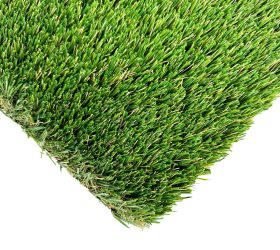
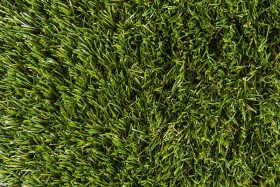
Selecting the right color and texture can influence both the look and feel of the turf. A combination of green shades can create a realistic lawn appearance, while texture affects comfort and playability.
UV Stabilization
To prevent fading and degradation due to sun exposure, selecting UV-stabilized turf is crucial. High-quality synthetic turf is designed with UV inhibitors, ensuring longevity and durability, especially in sunny regions like San Diego.
Infill Material
The type of infill used can significantly impact performance:
- Rubber Infill: Provides excellent shock absorption, making it ideal for active play.
- Organic Infill: Made from natural materials, it offers a more eco-friendly solution.
Installation Considerations
Preparing the Site
- Assess the Area: Measure the size of the space to determine the turf required.
- Ground Preparation: Ensure the ground is leveled and compacted to create a stable base.
- Install Drainage Solutions: If necessary, add drainage pipes to prevent water accumulation.
Turf Installation Steps
- Lay the Turf: Roll out the turf on the prepared surface.
- Cut to Fit: Trim the edges to fit the defined area.
- Secure the Turf: Fasten the edges with stakes or adhesive to prevent lifting.
- Add Infill: Spread the chosen infill material evenly over the turf.
For a comprehensive understanding of installing synthetic surfaces, check out our guide on dog friendly business turf.
Frequently Asked Questions
What type of turf is best for pet areas?
High-quality synthetic turf specifically designed for pet areas is ideal. Look for durability, effective drainage, and safety certifications.
How do I clean synthetic turf?
Routine cleaning involves removing debris, washing with mild soap and water, and utilizing a power washer for deep cleaning as needed.
Can pets dig through synthetic turf?
Quality turf is designed to be durable and resistant to digging. However, some pets may exhibit persistent digging behavior, which is more likely on lower-quality products.
How does artificial turf handle pet waste?
Synthetic turf is easy to clean when it comes to pet waste. Simply pick up solid waste and flush the area with water to wash away liquids.
Discover more benefits of choosing synthetic turf for commercial applications, including its ability to remain resilient in various environments by learning about our pet turf solutions.
Conclusion
Selecting the right turf specifications for commercial pet areas plays a vital role in creating a safe, functional, and visually appealing environment. With the right materials and careful installation, businesses can enhance their commercial spaces while prioritizing pet health and safety. For additional insights, explore our page on small dog run turf setup and get started on transforming your space into a pet paradise.
Implementing the right turf solutions not only boosts the aesthetic of your commercial property but also ensures a positive experience for both pets and their owners. Choose wisely, and your investment will reward you with a thriving space for years to come.