Glossary
Understanding Grain Direction in Putting Green Turf
When it comes to optimizing the performance and aesthetics of your putting green, understanding grain direction in putting green turf is essential. The grain refers to the alignment of the synthetic grass blades, which influences how the ball rolls and behaves on the surface. This article will delve into the significance of grain direction, its impact on putting performance, and the measures you can take to ensure your putting green provides the best experience.
What is Grain Direction in Putting Green Turf?
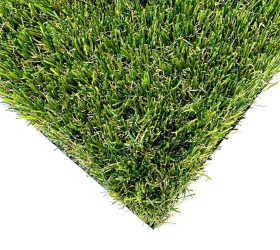
Grain direction in putting green turf refers to the way synthetic grass blades are oriented. This orientation affects not only the visual appearance of the putting green but also how the ball interacts with the turf. When blades are laid in a specific direction, they create a unique grain that can either aid or hinder ball movement.
Why Does Grain Direction Matter?
-
Ball Roll Consistency
The direction in which the grass fibers lie can significantly affect the consistency of the ball’s roll. Turf that has a well-defined grain may cause the ball to roll differently depending on the direction of the stroke. -
Speed and Control
Blades that are aligned in one direction can create a high-speed surface when the ball rolls with the grain. Conversely, rolling against the grain may slow the ball down, impacting your control and accuracy. -
Aesthetic Appeal
Proper grain direction enhances the visual appeal of your putting green. Well-maintained turf looks more realistic and inviting, which can be important for those who frequently invite friends and family to play.
Identifying Grain Direction
Understanding how to identify the grain direction in your putting green turf can greatly enhance your playing experience. Here are some tips:
- Visual Inspection: Observe the direction in which the grass blades naturally lie. You may notice variations in color and sheen based on light angles.
- Hand Test: Gently brush your hand across the turf in different directions. You should feel less resistance when moving with the grain compared to against it.
- Ball Test: Roll a ball in different directions. Note how the ball behaves and adjust your putting strategies accordingly.
Choosing the Right Turf with Grain Direction in Mind
When selecting putting green turf, understanding the implications of grain direction can inform your choice. Here are key considerations:
Artificial Turf Fiber Comparison
Different fibers can impact grain orientation. Choosing the best fiber for your needs involves assessing whether durability, aesthetics, or a realistic feel is prioritized. Some fibers can be designed to minimize the effects of grain direction, allowing for a more uniform experience across the putting surface.
Evaluate Turf Specifications
Carefully review the manufacturer’s specifications regarding the grain direction tendencies of the turf you’re considering. High-quality synthetic turfs, like those offered by INTEGRITURF, often provide consistent playing surfaces irrespective of grain orientation due to their advanced engineering.
To learn about various turf options in our range, check out our artificial turf fiber comparison guide.
Maintaining Grain Direction for Optimal Performance
Proper maintenance of your putting green is crucial for preserving grain direction and turf performance:
- Regular Grooming: Periodically groom your putting green to ensure the blades remain upright and aligned.
- Defining Play Areas: Limit foot traffic in specific areas to prevent wear patterns that can distort grain direction.
- Professional Installation: Ensure your turf is installed by professionals who understand the importance of grain direction. This can make a significant difference in your putting experience.
Explore the benefits of artificial turf to understand how quality installation influences the longevity and performance of putting greens.
Frequently Asked Questions (FAQs)
How does grain direction affect putting?
Grain direction affects the ball’s speed and trajectory. Rolling with the grain generally results in a faster roll, while rolling against it tends to slow the ball down.
Can I change the grain direction of my artificial putting green?
While you can’t change the grain direction after installation, maintaining and grooming the turf can help keep the blades aligned and functioning optimally.
How can I tell if my putting green turf has a grain?
You can determine the grain direction through visual inspection, hand tests, or by rolling a ball in different directions to see how it behaves.
Conclusion
Grain direction in putting green turf plays a pivotal role in both performance and aesthetic results. Understanding this aspect can lead to improved play and a more enjoyable golfing experience. For those looking to construct a premier putting green, professional installation and the right materials are fundamental to achieving high-quality results. With INTEGRITURF, you can elevate your home or commercial space with PGA-quality putting green turf that meets your specific needs.
For more insights on maintaining your turf and enhancing your putting experience, connect with our team at INTEGRITURF today!