Glossary
Why Natural Grass is Not Practical in California
Natural grass has long been the epitome of green lawns and vibrant parks, but when it comes to California, there are significant challenges and limitations that make it less practical. This article delves into the environmental, economic, and practical reasons why natural grass is not an ideal choice for homeowners and businesses in the Golden State.
Environmental Factors Impacting Natural Grass
Drought Conditions
California is known for its long-lasting droughts, making natural grass maintenance incredibly challenging. Residential and commercial lawns consume vast amounts of water, which is becoming increasingly scarce. As regions face stringent water restrictions, maintaining lush green grass often isn’t feasible.
- Water consumption: Natural grass requires a significant amount of water throughout the year.
- Sustainability concerns: The high water usage does not align with the growing push for sustainable practices in landscaping.
Soil and Weather Conditions
The climatic conditions in California, with its arid and Mediterranean climate in many areas, pose additional challenges for natural grass. The soils are often sandy and don’t hold moisture well, leading to dry patches even with regular watering.
- Heat stress: The high temperatures during summer can cause grass to go dormant or die.
- Soil composition: Poor-quality soil can further hinder grass growth and sustainability.
Economic Considerations
High Maintenance Costs
Maintaining natural grass involves a range of expenses that can significantly add up over time. These costs include:
- Irrigation systems: Installing and maintaining irrigation systems to ensure your grass receives adequate water.
- Fertilizers and pesticides: Regular applications are necessary to promote growth and prevent pests.
- Mowing and upkeep: Ongoing lawn care services can be costly and time-consuming.
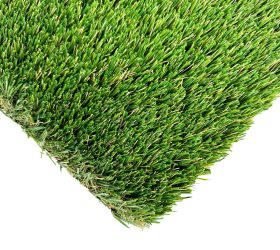
In contrast, investing in artificial grass options for California drought offers a low-maintenance solution that saves homeowners both time and money.
Resale Value and Property Appeal
Many homebuyers in California are increasingly looking for properties with low-maintenance yards. A lush, natural grass lawn may initially seem appealing, but prospective buyers may see it as a future burden given the state’s climatic challenges.
- Attractiveness of synthetic options: Homeowners are turning to synthetic turf for its aesthetic appeal combined with low upkeep.
- Resale benefit: Properties with low-maintenance landscaping often attract higher offers due to ease of care and sustainability concerns.
The Practicality of Synthetic Turf
Integrating synthetic turf into your landscaping not only addresses concerns regarding water efficiency but also enhances the overall appeal of your property.
Advantages of Synthetic Grass
- Water conservation: Synthetic turf does not require watering, making it an eco-friendly alternative during drought periods.
- Durability: High-quality artificial grass can withstand harsh weather conditions without fading or deteriorating.
- Maintenance-free: Say goodbye to mowing, aerating, and fertilizing. Synthetic turf requires minimal upkeep, freeing up your time for other pursuits.
Compliance with Local Standards
When it comes to installing turf for children’s play areas, understanding California school playground turf standards is essential. Synthetic options often meet these standards better than natural grass, providing a safe play environment without the risk of soil erosion or pesticide exposure.
Frequently Asked Questions
Why is natural grass not practical for California lawns?
Natural grass is not practical in California due to the high water requirements, maintenance costs, and susceptibility to drought and heat. The region’s climate does not support the sustainable growth of grass year-round.
What are the benefits of switching to artificial grass in California?
Artificial grass saves water, requires minimal maintenance, and remains aesthetically pleasing throughout the year, making it a practical choice for California homes and businesses.
How does artificial grass cost differ in California?
Investing in artificial grass cost in California is typically offset by the savings on water bills, maintenance, and increased property value over time.
Conclusion
As California continues to experience severe drought conditions, transitioning away from natural grass is becoming a necessity rather than a choice. The economic and environmental benefits of choosing synthetic turf solutions not only help in water conservation but also deliver a sustainable, beautiful lawn year-round. Learn more about how artificial grass options for California drought can transform your landscape and save on long-term care by visiting Integriturf.