Glossary
Winter Artificial Turf Cleaning Guide
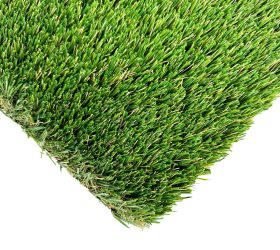
As winter approaches, maintaining your artificial turf becomes essential to ensure its longevity and appearance. This winter artificial turf cleaning guide will equip you with the knowledge and techniques needed to keep your synthetic grass looking pristine throughout the colder months.
Understanding Artificial Turf Maintenance
Maintaining your artificial grass during winter is crucial for both aesthetics and functionality. Artificial turf requires less maintenance than natural grass, but it’s important to understand the specific needs during the winter season. Unlike natural grass, synthetic turf does not go dormant but can still accumulate debris and require specific care.
Why Clean Your Artificial Turf in Winter?
Cleaning your turf in winter is not just about keeping it looking good; it has several critical benefits:
- Prevents Mold and Mildew: Wet and cold conditions can promote mold growth in debris-laden areas.
- Enhances Drainage: Snow and ice can lead to standing water if debris is not cleared away.
- Maintains Aesthetics: Regular cleaning keeps your turf vibrant and inviting.
Essential Tools and Supplies for Cleaning
Before diving into your winter turf maintenance routine, ensure you have the following tools:
- Broom or Brush: Use a stiff-bristled broom or a specialized turf brush to clear debris.
- Leaf Blower: Ideal for removing leaves, twigs, and other lightweight debris.
- Rake: A plastic rake can help fluff up the fibers of your synthetic grass.
- Hose with Spray Nozzle: For rinsing and removing stubborn dirt or stains.
- Mildew Remover (if needed): Only to be applied if you notice any mold or mildew.
Step-by-Step Winter Cleaning Process
Follow this step-by-step process to effectively clean your artificial turf during winter:
1. Clear Debris
Using a broom or leaf blower, remove any leaves, branches, or other debris from the surface of your artificial grass. Regular removal of debris will help maintain the drain capacity and overall health of your turf.
2. Brush the Fibers
After debris is cleared, use a turf brush to gently brush the grass fibers. This step helps fluff up the blades, returning them to their original upright position and preventing matting.
3. Fluff with the Rake
Use a plastic rake to ensure the fibers are evenly distributed. This also assists in keeping the infill material in place, especially if you used a sand infill.
4. Rinse the Surface
Lightly rinse the synthetic turf with a hose equipped with a spray nozzle. This helps wash away any dirt or sand that has settled on the turf. Avoid using high-pressure water, as it can disturb the infill.
5. Treat for Mold or Mildew (If Necessary)
If you notice any signs of mold or mildew, apply a specialized cleaning solution designed for artificial turf. Follow the manufacturer’s instructions closely to ensure effective treatment without damaging the turf.
Additional Winter Care Tips
- Prevent Ice Buildup: Keep snow and ice from accumulating on the surface. Using a shovel or broom to remove snow is a good practice.
- Avoid De-icing Chemicals: Steer clear of rock salt or other de-icing chemicals as they can damage the turf fibers and kill surrounding vegetation.
- Monitor Drainage: Inspect the drainage system to ensure water isn’t pooling in areas of your turf.
Benefits of Professional Maintenance
Consider hiring professional services if your turf requires more extensive care. A professional cleaning will ensure a thorough job, using tools and solutions specifically designed for synthetic turf. Check out our page on turf installation to learn how to keep your turf in top shape and avoid costly repairs down the road.
FAQs About Winter Artificial Turf Cleaning
How often should I clean my artificial turf during winter?
Cleaning is recommended once every few weeks during winter, especially after heavy snowfall or storms. Regular checks can help prevent problems before they develop.
Can I use a pressure washer on my artificial turf?
We advise against using a pressure washer, as high-pressure water can damage the turf fibers and infill material.
What should I do if my turf has heavy ice buildup?
Carefully remove the ice using a plastic shovel to avoid damaging the turf. If necessary, consult with professionals for advice on handling significant buildups.
For more about the benefits of synthetic grass over natural options, visit our page on should I get synthetic turf or real grass?.
Conclusion
Keeping your artificial turf maintained throughout winter is vital for its durability and visual appeal. This winter artificial turf cleaning guide provides you with essential steps to ensure that your synthetic grass remains in optimal condition. By following these maintenance tips and understanding the importance of regular cleaning, you can enjoy a beautiful and functional outdoor space all year round. For more insights into the quality of turf, learn about indicators of low-quality turf.