Glossary
Artificial Turf for Driveway Edge: The Ultimate Solution for a Clean and Modern Look
When it comes to enhancing the aesthetics of your property, the driveway edge often goes overlooked. However, an innovative trend has emerged: using artificial turf for driveway edge. This practice not only elevates your property’s curb appeal but also offers numerous practical benefits. In this article, we will explore how artificial turf can transform your driveway area, what you need to consider, and the various advantages it provides.
Benefits of Using Artificial Turf for Driveway Edges
1. Enhanced Aesthetic Appeal
Incorporating artificial turf along the edges of your driveway creates a striking visual contrast against concrete or asphalt, offering a clean, polished look. It softens the rigid lines of your driveway while bringing a touch of nature to an otherwise hardscape area.
2. Low Maintenance Requirements
One of the standout features of artificial turf is its minimal upkeep. Unlike natural grass, which requires mowing, watering, and fertilizing, artificial turf necessitates very little attention. Spraying off debris and occasional sweeping are typically all you need to preserve its appearance.
3. Weed and Pest Control
Natural grass often attracts pests and weeds that can ruin the aesthetic. The use of artificial turf significantly reduces these issues, ensuring your driveway remains tidy and inviting year-round.
4. Durability and Longevity
Quality artificial turf can withstand harsh weather conditions, foot traffic, and even vehicle weight. This durability makes it an excellent choice for driveway edges, where traditional landscaping might struggle to hold up.
How to Install Artificial Turf Along Your Driveway Edge
Installing artificial turf for your driveway edge is a straightforward process. Follow these detailed steps to ensure a successful installation:
- Prepare the Site: Clear the area along the edge of the driveway of any existing vegetation, debris, or rocks.
- Excavate the Area: Dig to a depth of about 3 to 4 inches to create a base for the turf.
- Create a Base Layer: Fill the excavated area with a layer of crushed rock or gravel. Compact this layer to ensure stability.
- Install the Turf:
- Roll out your chosen artificial turf, ensuring it aligns properly with the edges.
- Use a utility knife to trim the turf to fit precisely.
- Secure the Edges: Use landscape adhesive or stakes to secure the turf along the edges, preventing movement.
- Infill (Optional): If desired, you can add infill material to improve stability and give the turf a more natural feel.
For comprehensive insights, check out our detailed guide on how artificial turf meets concrete edge detail.
Design Ideas for Incorporating Artificial Turf at Driveway Edges
When deciding on how to integrate artificial turf into your driveway, consider the following design elements:
- Curved Edges: Instead of a straight line, a curved edge can soften the appearance and create a more inviting atmosphere.
- Color Variations: Experiment with different shades or textures to add dimension and visual interest.
- Incorporate Planters: Adding planters with vibrant flowers or shrubs can further enhance the appeal, making your artificial turf look even more inviting.
Frequently Asked Questions (FAQs)
What is artificial turf?
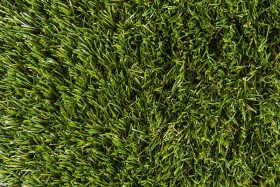
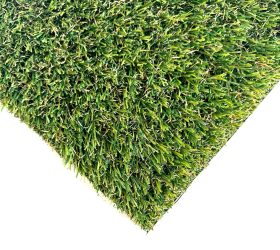
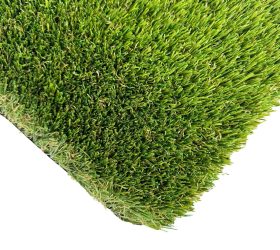
Artificial turf is a synthetic grass material designed to look and feel like natural grass. It is widely used in residential and commercial properties for lawns, sports fields, playgrounds, and more.
Why choose artificial turf for driveway edges?
Using artificial turf for driveway edges not only improves the visual aesthetics but also reduces maintenance and eliminates pest issues, creating a convenient and attractive solution.
How long does artificial turf last?
Premium artificial turf can last 15 to 25 years with proper maintenance, making it a cost-effective solution in the long run.
Can I use artificial grass alongside other landscaping features?
Yes! Artificial grass blends beautifully with various landscaping elements, from traditional gardens to modern outdoor space designs. For an in-depth guide, explore creating a low-water backyard with artificial grass.
How does artificial turf compare to natural grass?
Artificial turf requires significantly less maintenance than natural grass. While natural grass needs water, fertilizer, and regular mowing, artificial turf remains lush and green with minimal effort.
Conclusion
Using artificial turf for driveway edge is a forward-thinking approach that combines style, practicality, and sustainability. Its low maintenance requirements, durability, and aesthetic appeal make it a superior choice for any homeowner looking to enhance their property. Whether you’re looking to minimize upkeep or simply want to create a stunning visual impact, artificial turf offers a smart solution. Explore more about how artificial turf can transform your outdoor areas by visiting our introduction to artificial turf and consider the immense benefits it can unlock for your property today.