Glossary
Tick Prevention Artificial Grass: The Best Solution for Your Outdoor Spaces
As the awareness of tick-borne diseases increases, many homeowners and businesses are seeking effective solutions for tick prevention. One innovative approach that has gained popularity is the use of artificial grass designed for tick prevention. This comprehensive guide will explore the benefits of tick prevention artificial grass, its features, and how it can transform your outdoor spaces into safe environments.
Understanding Tick Prevention Artificial Grass
What is Tick Prevention Artificial Grass?
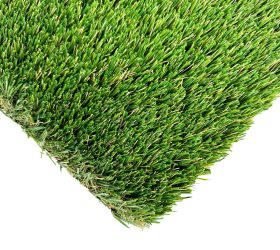
Tick prevention artificial grass is a synthetic turf product that has been specifically engineered to deter ticks and other pests. Unlike natural grass, which provides an ideal habitat for ticks, artificial grass eliminates moisture retention and reduces the presence of organic debris where ticks thrive.
How Does Artificial Grass Help Prevent Ticks?
- Reduced Moisture: Traditional grass retains moisture, creating an attractive environment for ticks. In contrast, artificial grass is designed to drain efficiently, preventing moisture buildup.
- No Organic Matter: Ticks feed on animals and thrive in areas with leaf litter, twigs, and other organic materials. Synthetic turf eliminates these hiding spots, significantly reducing tick populations.
- User-Friendly Maintenance: Regular landscaping activities such as mowing and leaf collection are no longer necessary, making it easier to maintain a tick-free environment.
Benefits of Tick Prevention Artificial Grass
Safe for Children and Pets
One of the primary advantages of using synthetic turf for tick prevention is its safety for children and pets. With the elimination of chemicals usually required for natural grass maintenance, families can enjoy outdoor play without the fear of pesticide exposure. This product is perfect for various applications, like artificial turf for daycare outdoor areas, ensuring a safe and inviting play area.
Durability and Longevity
Tick prevention artificial grass is built to last. It withstands heavy foot traffic without showing signs of wear, making it ideal for residential lawns, pet hotels, and parks. This durability helps maintain the aesthetic appeal of your yard and reduces the need for frequent replacements, unlike natural grass which can become patchy and uneven over time. For more information on this application, check out our artificial turf for pet hotel.
Eco-Friendly Solution
Using synthetic turf is not just a personal choice; it’s also an environmentally friendly option. Artificial grass reduces the need for water, fertilizers, and pesticides, contributing to a more sustainable way to maintain green spaces. By choosing to install artificial grass, you are taking a step toward conserving water and minimizing the ecological footprint typically associated with lawn care.
Cost-Effective in the Long Run
While the initial investment in artificial grass may be higher than that of natural grass, the long-term savings are undeniable. Reduced water bills, less maintenance, and the absence of chemical treatments can lead to significant cost savings over time. Additionally, installations of dog run side yard artificial grass provide a low-maintenance space for your pets to enjoy without the worry of ticks.
Installation and Maintenance of Tick Prevention Artificial Grass
Installation Process
The installation of synthetic turf involves several steps:
- Site Preparation: Clearing the area of debris, grass, and weeds.
- Drainage System: Ensuring proper drainage to prevent moisture buildup.
- Base Layer: Installing a sturdy base of crushed rock or gravel.
- Turf Installation: Laying down the artificial grass and securing it.
- Infill Application: Adding infill material to provide stability and improve resilience.
Maintenance Tips
- Regular Cleaning: Use a broom or leaf blower to remove debris.
- Occasional Rinsing: Hose down your artificial grass to remove dust and allergens.
- Check for Damage: Regularly inspect for any tears or loose seams and address them promptly.
For further details on maintaining your turf, visit our article on pet waste stations on artificial turf.
FAQs About Tick Prevention Artificial Grass
How effective is artificial grass in preventing ticks?
Artificial grass significantly reduces tick habitats due to its design and lack of organic materials, making it a highly effective solution for tick prevention.
Can I install artificial grass myself?
While DIY installation is possible, professional installation ensures that the turf is laid correctly, maximizing its effectiveness and longevity.
How do I clean artificial grass for tick prevention?
Regular cleaning entails brushing away debris and rinsing the area with water. This aids in removing pollen and other allergens while maintaining a fresh appearance.
Is artificial grass safe for pets?
Yes, tick prevention artificial grass is safe for pets. It does not require harmful chemicals and allows for safe play areas.
What types of properties can benefit from artificial grass?
Artificial grass is suitable for residential homes, commercial properties, daycare facilities, dog kennels, and parks, creating versatile outdoor spaces that are enjoyable and safe.
In conclusion, tick prevention artificial grass presents a sustainable, safe, and aesthetically pleasing solution for keeping your outdoor spaces free from ticks. Whether in residential settings or commercial properties like artificial turf for dog kennel floors, its numerous advantages, from durability to easy maintenance, make it an ideal choice for anyone looking to enhance their outdoor environment. Explore the benefits today with Integriturf and secure a tick-free future for your loved ones.