Glossary
Creating Inviting Outdoor Dining Experiences with Synthetic Grass
As outdoor dining becomes increasingly popular, establishments seek innovative ways to enhance their environments. One transformative solution is creating inviting outdoor dining experiences with synthetic grass. This premium landscaping product not only elevates the aesthetic appeal of any dining area but also offers practical benefits that can significantly improve customer satisfaction and operational efficiency.
The Appeal of Synthetic Grass in Outdoor Dining
Aesthetic Enhancements
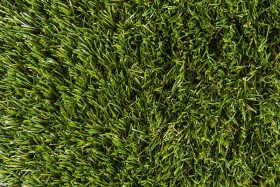
Using synthetic grass for dining areas not only provides vibrant colors and lush textures but also creates a warm, welcoming atmosphere. Its lifelike appearance contributes to a garden-like setting that can attract customers. Here are some aesthetic benefits:
- Vibrant Greenery All Year Round: Unlike natural grass, synthetic turf remains green and lush through every season, regardless of weather conditions.
- Design Versatility: Synthetic grass can be easily cut and shaped to fit unique layouts, making it an ideal choice for irregular dining spaces.
- Color Consistency: The vivid green color of synthetic grass does not fade, ensuring that your outdoor dining area always looks its best.
For detailed insights into how turf can elevate your outdoor spaces, check out our guide on turf for dining areas outside.
Comfortable and Inviting Atmosphere
Creating a comfortable dining environment is crucial for customer retention. Synthetic grass provides several advantages that enhance the outdoor dining experience:
- Soft Underfoot: The cushioned feel of synthetic grass allows diners to comfortably enjoy their meals without the discomfort associated with hard surfaces.
- Temperature Regulation: Advanced technologies ensure that synthetic grass stays cooler underfoot than traditional surfaces, making it comfortable to walk on even in hot weather.
- Noise Reduction: Synthetic grass absorbs sound, helping to create a serene dining atmosphere unaffected by the hustle and bustle from nearby roads or foot traffic.
Practical Benefits of Synthetic Turf
Creating inviting outdoor dining experiences with synthetic grass brings numerous practical advantages that can benefit restaurant owners.
Low Maintenance Requirements
One of the most appealing aspects of synthetic grass is its low maintenance needs:
- No Mowing or Trimming: Once installed, turf requires virtually no maintenance beyond occasional cleaning, saving time and labor costs.
- Weed and Pest Resistance: Synthetic grass eliminates the need for pesticides and herbicides, providing a safer dining environment while reducing chemical use.
- Water Conservation: By switching to synthetic grass, restaurants can significantly reduce their water consumption, leading to more sustainable operations.
Learn more about maintaining a vibrant outdoor space with our article on enhanced outdoor experience with turf.
Durability and Longevity
Investing in synthetic grass is a decision backed by its durability. With high-quality options available:
- Weather Resistance: Synthetic turf is engineered to withstand extreme weather conditions without deteriorating, making it ideal for outdoor dining setups.
- Pet and Damage Resistance: Most synthetic grass products are designed to resist stains and damage from pets, spills, and heavy foot traffic, ensuring a long-lasting investment.
- Safe for All Users: Many synthetic grass products are made from non-toxic materials, providing a safe environment for guests of all ages, including small children.
How to Incorporate Synthetic Grass into Outdoor Dining Design
Step 1: Assess Your Space
Before installing synthetic grass, evaluate your outdoor dining area. Consider the foot traffic patterns, existing landscaping, and dining arrangements to ensure an optimal layout.
Step 2: Select the Right Turf Type
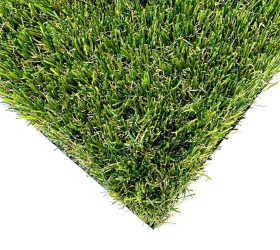
Different types of synthetic grass offer varying textures, densities, and colors. Choose the one that best aligns with your restaurant’s brand and aesthetic goals.
Step 3: Installation Process
Employ professionals to ensure a seamless installation. Specific steps involved generally include:
- Preparation of the Area: Clearing existing grass or debris and leveling the ground.
- Sub-Base Installation: Adding a sub-base for proper drainage and stability.
- Turf Installation: Rolling out and securing the synthetic grass according to the design plan.
- Finishing Touches: Adding borders and landscaping elements to complement the turf.
For more on creative layout designs, explore our article on designing inviting restaurants with turf.
FAQs about Creating Outdoor Dining Experiences with Synthetic Grass
What are the benefits of synthetic grass for outdoor restaurants?
Synthetic grass enhances aesthetics, reduces maintenance, and saves water while providing a comfortable and inviting environment for diners.
How does synthetic grass improve customer experience?
By providing a lush, clean, and soft surface, synthetic grass allows guests to relax and enjoy their dining experience, contributing to longer visits and repeat customers.
Is synthetic grass environmentally friendly?
Yes, synthetic grass conserves water and reduces the need for pesticides and fertilizers. This helps create a greener, more sustainable dining option.
How long does synthetic grass last?
High-quality synthetic grass can last 15 to 25 years with proper care, making it a worthwhile investment for outdoor dining spaces.
Conclusion
In today’s competitive dining landscape, creating inviting outdoor dining experiences with synthetic grass is an innovative approach to attract and retain customers. With its aesthetic appeal, durability, and low maintenance, synthetic turf is a practical and strategic investment. Embrace the future of outdoor dining and elevate your establishment’s ambiance, comfort, and environmental responsibility with synthetic grass.