Glossary
How to Balance Aesthetics and Functionality in Landscapes Using Turf
Creating a harmonious landscape that is both visually appealing and highly functional is a challenge for many property owners. Understanding how to balance aesthetics and functionality in landscapes using turf can transform your outdoor space into a well-designed oasis. Synthetic turf offers versatile solutions that combine beauty with practicality, ensuring your landscape meets both aesthetic desires and functional needs.
Understanding the Role of Turf in Landscape Design
What Is Turf?
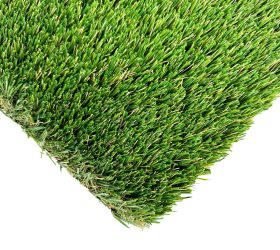
Turf refers to a layer of grass and the soil beneath it, but in contemporary landscaping, it predominantly refers to synthetic or artificial turf. Unlike natural grass, synthetic turf provides a more consistent appearance and requires less maintenance, making it an attractive option for various applications.
The Importance of Aesthetics in Landscaping
Aesthetic appeal is imperative in landscape design. It influences first impressions, enhances property value, and creates enjoyable spaces for relaxation and recreation. This is where integrating landscapes with synthetic turf delivers significant benefits. By utilizing high-quality turf, you can achieve lush, green lawns year-round without the challenges of seasonal changes.
Functional Benefits of Turf
When discussing how to balance aesthetics and functionality in landscapes using turf, one must also consider the functional advantages. Synthetic turf offers:
- Durability: Resistant to wear and tear, making it ideal for high-traffic areas.
- Low Maintenance: Minimizes the need for watering, mowing, and fertilizing.
- Safety: Provides a soft surface for children and pets, reducing the risk of injuries.
Designing Landscapes with Turf
Step 1: Define Your Objectives
Before diving into landscape design, identify your goals. Are you looking to create a child-friendly play area, a serene garden, or an engaging social space for gatherings? Clearly defined objectives will guide your design process and help balance aesthetics with functionality.
Step 2: Choose the Right Type of Turf
Selecting the right synthetic turf is essential for balancing aesthetics and functionality. Modern options come in various colors, textures, and pile heights, allowing you to mimic different natural grasses:
- Pet Turf: Specially designed for households with pets, featuring drainage systems and durability.
- Landscape Turf: Suitable for gardens and lawns, providing a lush visual appeal.
- Sports Turf: Engineered for athletic fields, offering superior performance and resilience.
Step 3: Plan the Layout
Next, consider the layout. Incorporate pathways, seating areas, and different zones to add depth to your landscape. Use turf creatively to enhance visual interest—mixing turf with planters, stones, and other landscaping elements can provide a rich, engaging environment.
Balancing Aesthetics and Functionality
Creating Visual Interest
Blend various textures and materials alongside your turf. Use flowers, shrubs, and trees to create vibrant focal points that draw the eye and complement the natural surroundings.
- Layering Plants: Incorporate plants of varying heights and colors to add depth.
- Hardscaping Elements: Use stones, bricks, or patio tiles to define spaces and add an architectural element to your landscape.
Ensuring Practical Use
Designing for functionality involves thinking about how your space will be used. Ensure walkways are clear, seating areas are comfortable, and that the turf can withstand local climate conditions.
- Durable Surfaces: Opt for turf that is specifically designed for the intended use, such as children’s play areas or sports applications.
- Accessibility: Create accessible routes that accommodate wheelchairs or strollers if needed.
Sustainability Considerations
Incorporate eco-friendly practices in your landscaping. Synthetic turf conserves water and reduces the need for harmful chemicals often used in maintaining natural grass, making it a sustainable choice.
FAQs
What are the main benefits of using synthetic turf in landscape design?
Synthetic turf offers low maintenance, durability, aesthetic flexibility, and can be designed for various specific uses, such as pets and sports.
How does artificial turf contribute to sustainability?
Artificial turf conserves water, eliminates the need for chemical fertilizers, and often consists of recycled materials, promoting a sustainable landscape.
Can I install synthetic turf on a sloped area?
Yes, synthetic turf can be installed on slopes, provided proper drainage is included in the design to prevent pooling and erosion.
Conclusion
Successfully integrating aesthetics and functionality in landscapes using turf can elevate your outdoor environment into one that is both beautiful and practical. By utilizing high-quality synthetic turf, you not only enhance the visual appeal of your space but also create an area that is durable, low-maintenance, and highly functional. Whether you’re enhancing outdoor aesthetics with artificial grass or designing residential landscapes, embracing turf can lead to impactful transformations in your living spaces. Explore more about how turf can elevate your landscape by visiting our detailed resources on enhancing outdoor aesthetics with artificial grass and designing residential landscapes with turf.
Experience the versatility of artificial grass; learn about how turf can transform outdoor venues for better functionality, or discover how to use turf creatively to make impactful community spaces. For more insights on effectively using turf for public gathering spaces and beyond, dive deeper into our site!